
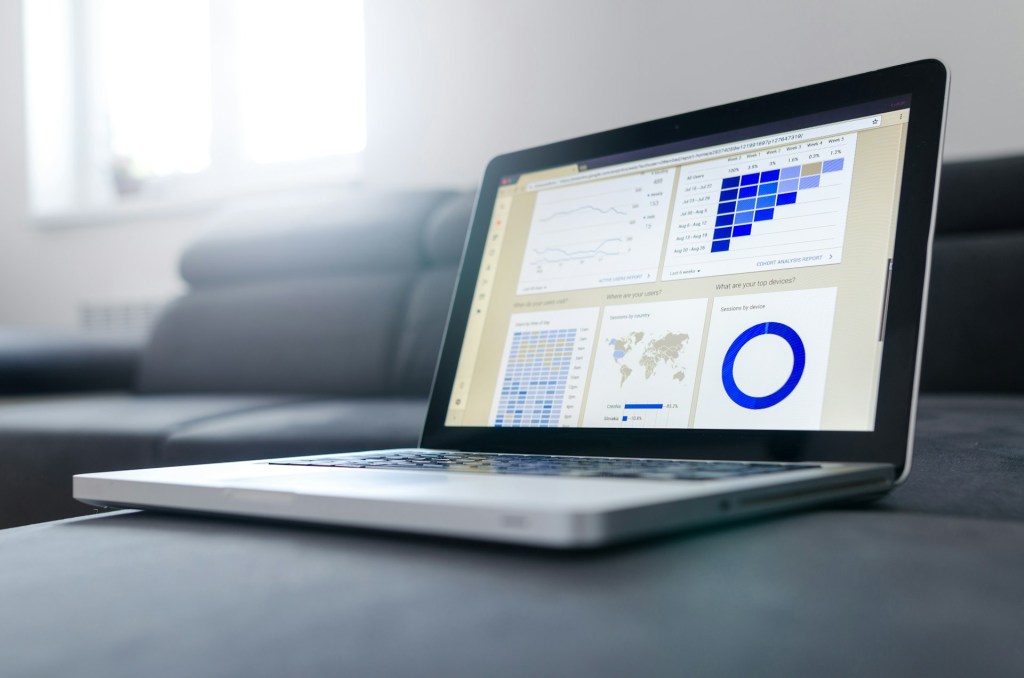
As the digital landscape continues to grow and evolve in 2024, social media has emerged as a critical platform for attracting and engaging potential customers. Today, more than ever, brands understand the importance of leveraging social media platforms to build strong connections with their target audience and drive conversions. However, merely having a social media presence is not enough.
To optimize your marketing efforts and maximize your return on investment (ROI), you must dive deep into social media analytics to uncover the valuable insights hidden beneath the surface. In this blog post, we’ll explore the world of social media analytics, its potential to boost conversions, and the best practices for leveraging these data-driven insights to drive business growth.
Social media analytics is the process of collecting, analyzing, and interpreting data from social media platforms to generate actionable insights for your marketing strategy. By harnessing the wealth of information available on social networks, you can gain a better understanding of your audience’s preferences, behaviors, and content consumption habits, allowing you to create more targeted, engaging, and effective marketing campaigns.
Furthermore, by monitoring key performance indicators (KPIs) and analyzing your social media data, you can keep track of engagement trends, sentiment, and the success of your content strategy, enabling you to make informed decisions and optimize your social media efforts to drive more conversions.
In this article, we will delve into the crucial aspects of social media analytics, such as understanding the difference between metrics and analytics, setting clear and measurable objectives, and choosing the right tools to collect and analyze data. Additionally, we’ll discuss the importance of examining your competitors’ online presence and utilizing your findings to create a more efficient and effective strategy.
By embracing social media analytics, you can unleash the power of data-driven insights, improve your marketing efforts, and ultimately boost conversion rates in 2024. So, let’s begin our journey to unlock the full potential of social media analytics, and be sure to explore more resources and tips at Agency Reviews to stay ahead in the digital marketing landscape.
Understanding Metrics vs. Analytics
Before diving into social media analytics, it’s crucial to understand the difference between metrics and analytics. Metrics are the raw data points available on social media platforms, such as likes, shares, retweets, and comments. While these numbers can provide an overview of your online presence, they don’t offer actionable insights on their own. This is where analytics come into play, transforming these metrics into meaningful information that can help drive your marketing decisions and ultimately boost conversions. Here are a few steps to move from metrics to analytics:
- Set Measurable Objectives: Identify your social media goals, such as increasing brand awareness, generating leads, or driving website traffic, and establish specific KPIs to track your performance.
- Analyze Performance over Time: Monitor and analyze your KPIs periodically to assess the success of your content strategy and identify trends.
- Interpret Data and Adapt: Use the insights gleaned from analyzing your data to make informed decisions, adjust your marketing strategy as needed, and fine-tune your tactics to achieve your objectives.
Choosing the Right Social Media Analytics Tools
Selecting the right tools to collect, analyze, and visualize your social media data is essential to unleashing the power of analytics. There are various options available, ranging from built-in platform analytics (such as Facebook Insights and X Analytics) to comprehensive third-party tools like Hootsuite, Sprout Social, and Socialbakers. When searching for the right social media analytics tool, consider the following factors:
- Compatibility: Ensure the chosen tool supports the social platforms you use and the metrics you need.
- Customizability: Look for tools that allow you to create customized reports and dashboards tailored to your specific KPIs and objectives.
- Ease of Use: Opt for a user-friendly interface, allowing for easy access to insights and seamless integration into your workflow.
- Cost: Compare the pricing plans and features of various tools to determine the best-fitting option within your budget.
Tracking and Analyzing Competitor Data
Monitoring and analyzing your competitors’ social media activity can provide valuable insights, allowing you to optimize your strategy and stay ahead of the market trends. Here are a few ways to utilize competitor data for your advantage:
- Identify Content Gaps: By examining your competitors’ content, you can find topics they might have missed, providing you with an opportunity to fill the gaps with valuable and engaging content.
- Benchmarking: Compare your performance with your competitors’ achievements, and set realistic goals for your brand’s growth and engagement.
- Evaluate Content Effectiveness: Analyze which content resonates best with your target audience by observing the types of posts that generate high engagement for your competitors.
- Learn from Their Mistakes: Identify your competitors’ weak points or failed campaigns, and use these findings to refine your strategy and avoid making the same mistakes.
Applying Social Media Analytics Insights to Boost Conversions
Now that you’ve gathered and analyzed your social media data, it’s time to take action on your findings and apply them to your marketing strategy. Here are some practical ways to use social media analytics insights to drive conversions:
- Optimize Your Content Mix: Based on the top-performing content types and formats, adapt your content strategy to prioritize highly engaging and shareable content.
- Segment and Target Your Audience: Use demographic and behavioral data to create audience segments, and tailor your marketing campaigns to resonate better with specific groups.
- Personalize Your Messaging: Leverage the insights gained from engagement patterns and sentiment analysis to craft personalized messages that tap into your target audience’s interests and pain points.
- Improve Your Posting Schedule: Find the optimal times for posting content by analyzing when your audience is most active and engaged on social media platforms.
Conclusion
Social media has become an indispensable part of any online marketing strategy, and harnessing the power of social media analytics can elevate your efforts, improve lead generation, and ultimately boost conversions. By understanding the difference between metrics and analytics, choosing the right tools, analyzing competitor data, and applying insights to refine your messaging and content strategy, you can unlock the full potential of data-driven marketing to drive business growth in 2024. Remember, successful social media marketing involves continuous learning and adapting to stay up-to-date with the latest trends and platform updates. Keep exploring more resources, insights, and tips at Agency Reviews to stay informed and ahead of the competition.
Are you looking to boost conversions and take your business to the next level in 2024? Look no further than Agency Reviews for all your social media needs! Our team of experts specializes in unleashing the power of social media analytics, utilizing data-driven insights to drive higher conversions and achieve your goals. Contact us today to learn more about how we can help you succeed, and let us help you take your business to the next level with strategic social media marketing.
 Agency Review Blogs