

You already know what SMB and SEO mean — we won’t bore you with that.
This guide is straight to the point: SEO tips for small business.
Let’s check it out.
5 SEO Tips for Small Businesses
1. Google Search Console
GSC stands for Google Search Console.
It’s a free service offered by Google that helps website owners understand how their site shows up in searches and optimize their visibility.

What GSC does:
- Monitors your website’s performance in Google Search
- Identifies technical SEO issues that might be affecting your ranking
- Shows you which keywords people are using to find your site
- Tracks clicks and impressions on your search results
- Alerts you to any problems Google finds with your website
Setting up GSC:
- Sign in to Google Search Console using your Google account.
- You’ll be prompted to add a property, which can be your entire domain (like “example.com”) or a specific directory within your site.
- Verify that you are the owner of the website. Google offers a few different verification methods, such as adding a meta tag to your website’s code or uploading a file.
Stuck? Read Google’s Official Set-Up Guide.
2. Business Profile
Google Business Profile (formerly known as Google My Business) is a free tool that allows businesses to manage how they appear across Google Search and Maps.
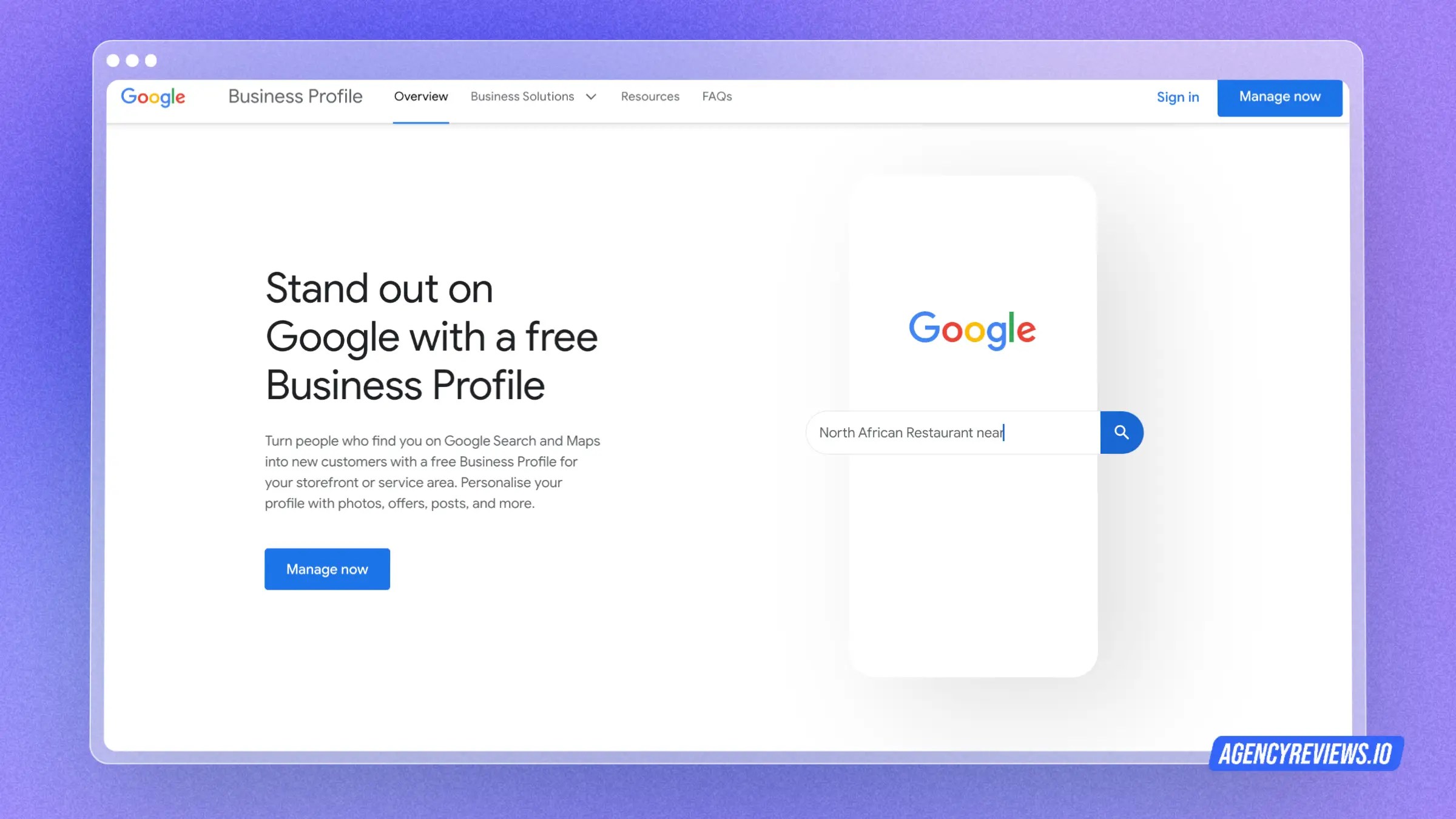
It’s a great way to increase your online visibility and attract more customers, especially those searching for local businesses.
Setting up a Google Business Profile:
- Visit https://www.google.com/business/.
- Sign in to your Google Account, or create a new one specifically for your business.
- Enter your business name exactly how it appears to customers.
- Search for your business category and choose the best fit.
- Indicate whether you have a physical location that customers can visit or if you serve a specific service area.
- Follow the on-screen prompts to complete your profile information, including your address, phone number, website (if applicable), and business hours.
- Verify your business ownership through one of Google’s methods, like postcard verification or phone verification.
Pro Tip: Set it up even if you don’t operate locally — it’ll help for visibility!
3. Audits
An SEO audit is essentially a comprehensive checkup for your website in terms of how well it’s optimized for search engines.
- It’s like taking your car to a mechanic to identify any issues that might be preventing it from running smoothly.
- In the SEO world, running smoothly translates to ranking higher in search results pages (SERPs).
Below are the reasons why audits are importnat.
Diagnose Website Issues:
- Technical SEO: An audit can uncover technical problems that hinder search engines from properly crawling and indexing your website. This could include things like broken links, slow loading times, or mobile-friendliness issues.
- Content Quality: The audit might reveal areas where your content is lacking. It can identify thin content, missing keywords, or content that isn’t optimized for user experience.
Identify Opportunities for Improvement:
- Keyword Research: A good SEO audit will delve into your current keyword strategy and identify opportunities for targeting relevant keywords that can drive more qualified traffic.
- Competitor Analysis: Through competitor analysis, the audit can reveal strategies your competitors are using that you might be missing out on. This can help you stay ahead of the curve.
Track Progress Over Time:
- Benchmarking: Regular SEO audits allow you to establish a baseline for your website’s performance and track your progress over time. This helps you measure the effectiveness of your SEO efforts.
4. Backlinks
Backlinks, also called inbound links, are links on other websites that point to your website. They’re kind of like votes of confidence in the online world.
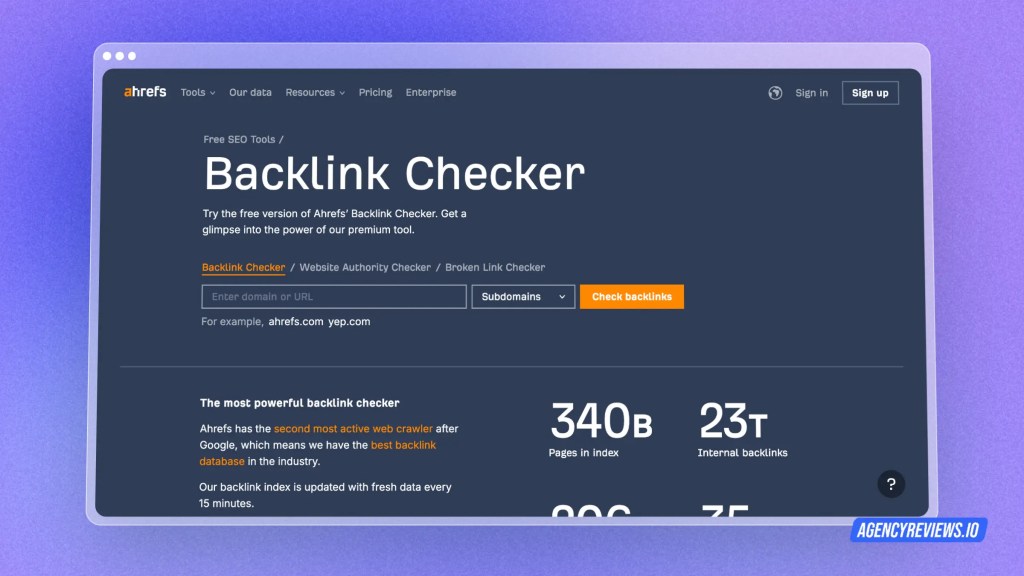
The more high-quality backlinks you have, the more important and trustworthy search engines like Google consider your website to be.
Why they’re important:
- Increased website authority and trust in the eyes of search engines.
- Improved search engine ranking for relevant keywords.
- Boosted website traffic through referrals from other sites.
However: It’s important to note that not all backlinks are created equal.
Search engines prioritize high-quality backlinks from relevant and reputable websites.
Buying backlinks or participating in link schemes can actually hurt your SEO performance, so it’s important to focus on acquiring backlinks naturally through creating high-quality content and building relationships with other website owners.
5. Realistic Expectations
Setting realistic expectations for SEO is crucial. Unlike instant gratification marketing tactics, SEO is a marathon, not a sprint.
And here’s why.
Timeframes:
- Don’t expect overnight success: SEO is an ongoing process. It can take 6 months to a year to see significant improvements in rankings and traffic, especially for competitive industries.
- Focus on long-term gains: Think of SEO as building a strong foundation for your online presence. The benefits will compound over time, leading to sustained growth in organic traffic and leads.
Results:
- Focus on progress, not just rankings: While rankings are important, they’re not the only measure of success. Track metrics like website traffic, qualified leads generated, and conversions to get a holistic view of your SEO efforts.
- Quality over quantity: Aim for targeted traffic from users genuinely interested in your offerings, rather than just a surge in overall website visits.
Competition:
- Be realistic about your niche: Highly competitive industries will naturally take longer to see significant ranking improvements. However, even in competitive spaces, smart SEO strategies can help you carve out a niche and attract qualified leads.
- Track competitor progress: Analyze your competitors’ SEO strategies to identify opportunities for differentiation. Focus on creating unique, valuable content that stands out from the crowd.
Investment:
- SEO requires ongoing effort: Whether you manage it yourself, hire an SEO specialist, or use a combination of approaches, SEO requires consistent effort. Be prepared to invest time and resources into creating high-quality content, building backlinks, and keeping your website optimized.
- Focus on ROI (Return on Investment): Track the results of your SEO efforts and measure their impact on your business goals. This will help you determine whether your SEO strategy is delivering a positive return on investment.
FAQ
1. Does SEO really work for small business?
Yes, SEO can be a game-changer for small businesses.
It helps your website show up higher in search results, making it easier for customers to find you. This can be especially valuable because it connects you with people already looking for the products or services you offer, leading to better quality leads.
Also, SEO is cost-effective. Unlike paid ads that stop the moment you stop paying, the effects of SEO efforts can last longer, giving you more bang for your buck.
2. How much should a small business spend on SEO?
The amount a small business should spend on SEO can vary widely based on several factors like business size, industry competitiveness, and the goals you’re aiming for. There’s no one-size-fits-all budget, but here are some pointers to consider:
- Starting Point: Initially, small businesses might spend a few hundred dollars per month on SEO tools or consultancy. As you see results and understand the value, this budget can increase.
- DIY vs. Professional Services: If you’re doing SEO yourself, costs can be lower, focusing mostly on tools and learning resources. Hiring professionals or agencies, however, can range from $500 to several thousand dollars per month based on the scope of services.
- Industry Competition: Highly competitive industries might require a more aggressive (and expensive) SEO strategy to stand out.
- Long-term Investment: View SEO as a long-term investment rather than a one-off cost. Consistent effort over time tends to yield the best results.
- ROI-Focused: Balance your spend with potential returns. Effective SEO can lead to significant organic traffic and customer conversions, outweighing the initial costs.
A practical approach is to start with what you can afford, measure the impact, and then adjust your budget based on the results you see and the value it brings to your business.
Thank you for reading this,
Team AgencyReviews
 Agency Review Blogs
You must be logged in to post a comment.