

Influencer marketing and traditional marketing agencies are both valuable tools for businesses looking to reach their target audience and achieve their marketing goals.
However, they differ in their approach, expertise, and cost.
Le’s dive in.
How to choose: Influencer vs Agency Marketing
If you have a limited budget and want to reach a niche audience, influencer marketing may be a good choice.
The best option for your business depends on your specific needs and budget.
If you need a more comprehensive marketing strategy that aligns with your overall business goals, a traditional marketing agency may be a better fit.
Here are some factors to consider when making your decision:
- Your budget
- Your target audience
- Your marketing goals
- Your level of expertise in marketing
These are just the basic factors to have in mind.
However, you may also want to look for additional factors.
For instance:
- Transparency: An influencer marketing agency should be transparent about the process and fees involved.
- Measurement: An influencer marketing agency should be able to measure the results of your campaign and provide you with data to track your ROI.
- Relationships: An influencer marketing agency should have strong relationships with influencers and be able to secure placements that are authentic and aligned with your brand.
Definition: What are your options?
1. Influencer Marketing
Influencer marketing is a form of marketing that leverages the power of social media influencers to promote products or services to their followers.
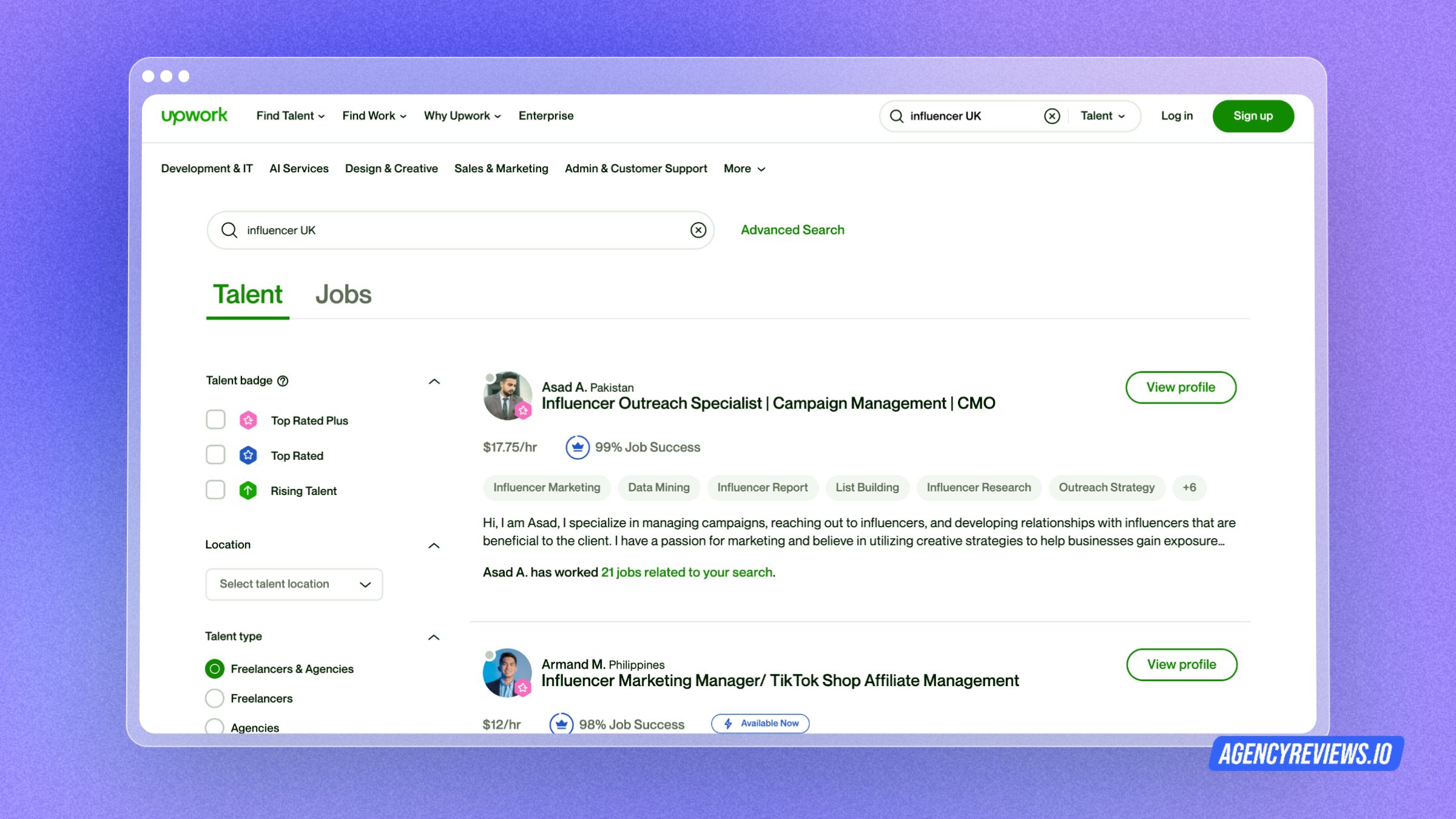
- Influencers are individuals who have a large following on social media and are considered to be experts or enthusiasts in a particular area.
- By partnering with influencers, businesses can reach a wider audience and build trust with potential customers.
2. Agency Marketing
A traditional marketing agency is a company that specializes in planning, developing, and executing marketing campaigns for businesses.
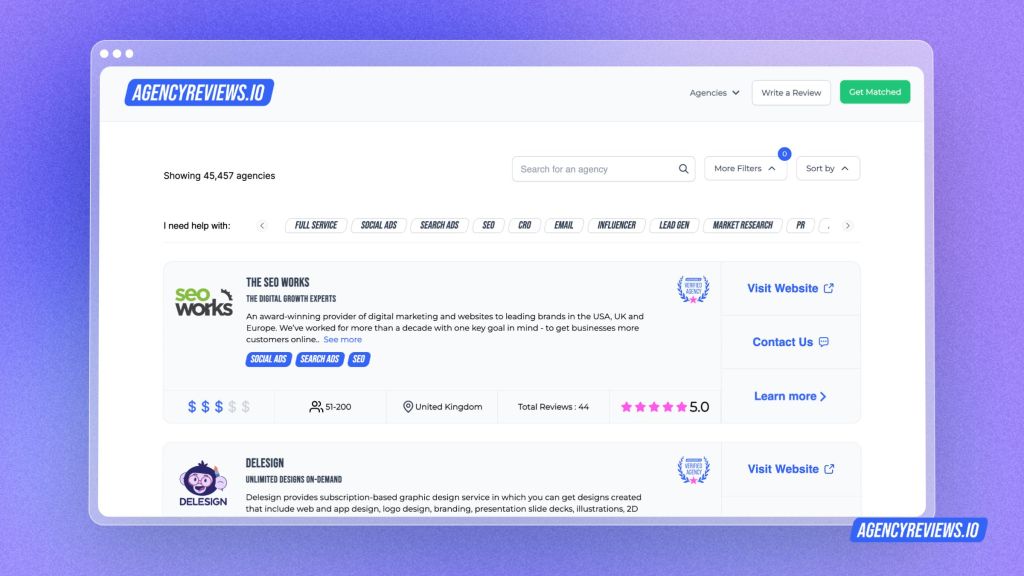
- They typically have a team of experts with experience in various marketing disciplines.
- For example: Social media marketing, content marketing, email marketing, and pay-per-click advertising.
Let’s see what’s best for you.
Comparison: Influencer vs Marketing Agency
| Feature | Influencer Marketing | Marketing Agency |
|---|---|---|
| Target Audience | Specific niche audience | Wider audience, including a mix of demographics and interests |
| Marketing Approach | Authentic, personalized interactions | Strategic, data-driven campaigns |
| Content Creation | Influencer-driven, engaging content | Brand-aligned, creative storytelling |
| Engagement and Influence | High engagement with influencer’s followers | Broader reach and potential for brand awareness |
| Cost Structure | Variable cost based on influencer fees | Fixed cost for agency’s services |
| Campaign Management | Influencer collaboration and oversight | Agency management and execution |
| Campaign Measurement | Qualitative metrics like engagement and brand sentiment | Quantitative metrics like sales, leads, and website traffic |
| Suitability | Businesses seeking niche targeting and authentic endorsements | Businesses requiring comprehensive marketing strategies and expertise |
| Skills Required | Identifying and managing influencers, crafting influencer-friendly content | Marketing planning, campaign execution, and data analysis |
| Risks | Misalignment between brand and influencer, fake followers, limited control over content | Misalignment between agency and brand, higher upfront costs |
Conclusion
Both influencer marketing and traditional marketing agencies can be valuable tools for businesses that want to reach their target audience and achieve their marketing goals.
The best option for your business will depend on your specific needs and budget.
By carefully considering your options, you can find the right partner to help you achieve your marketing objectives.
 Agency Review Blogs
You must be logged in to post a comment.