
Media buying is the process of purchasing ad space on various media platforms, including television, radio, print, digital, and out-of-home (OOH) advertising.
It is a crucial aspect of marketing campaigns, as it helps businesses reach their target audience and achieve their marketing goals.
A. Types of Media Buying

There are two main types of media buying:
- Direct Media Buying: This involves purchasing ad space directly from media outlets, such as publishers or ad vendors. The media buyer negotiates with the outlet to secure the desired ad space at an agreed-upon price.
- Programmatic Media Buying: This is a more automated process that uses technology to buy and sell digital ad space in real time. Media buyers use demand-side platforms (DSPs) to bid on ad inventory across multiple publishers, and ad space is allocated to the highest bidder.
B. Steps in Media Buying

The media buying process typically involves the following steps:
- Define Campaign Goals: The first step is to clearly define the campaign’s objectives, such as increasing brand awareness, generating leads, or driving sales.
- Target Audience Identification: The media buyer needs to identify the target audience for the campaign, considering factors such as demographics, interests, and online behavior.
- Media Planning: The media planner selects the most appropriate media channels to reach the target audience and achieve the campaign goals. This involves considering factors such as reach, frequency, and cost-effectiveness.
- Media Buying: The media buyer purchases the desired ad space on the selected media channels, negotiating prices and ensuring the best possible placement for the ads.
- Campaign Monitoring and Optimization: The media buyer monitors the campaign’s performance and makes adjustments as needed to optimize results and improve ROI.
C. Media Planning vs Media Buying
While they both contribute to the success of marketing initiatives, they have distinct roles and responsibilities.
1. Planning
Media planning is the strategic process of determining how to allocate advertising resources across various media channels to effectively reach a target audience and achieve campaign goals.
It involves a comprehensive analysis of various factors, including:
- Target audience demographics
- Interests
- Media consumption habits
- Campaign objectives.
The media planner acts as a strategist, considering the overall marketing strategy and objectives to determine the most appropriate media channels for the campaign.
They research and evaluate various media options, such as: Television, radio, print, digital, and out-of-home advertising, to identify the channels that align with the target audience’s preferences and the campaign’s goals.
Media planners also consider factors such as: Reach, frequency, and cost-effectiveness when making their recommendations.
They may develop a media plan that involves a mix of channels to maximize the campaign’s impact and reach the target audience across multiple touchpoints.
2. Buying
Media buying is the tactical execution of the media plan by acquiring ad space on the selected media channels.
It involves:
- Negotiating prices
- Securing ad placements
- Ensuring that the ads are delivered to the target audience at the agreed-upon times and frequencies.
Media buyers possess strong negotiation skills and knowledge of media markets to secure favorable rates and optimize ad placements.
They utilize various tools and technologies, such as: Ad exchanges, demand-side platforms (DSPs), and supply-side platforms (SSPs) — to streamline the buying process and make informed decisions in real time.
Media buyers closely monitor the performance of the campaign and make adjustments as needed to optimize results and improve ROI.
They track key metrics such as: Impressions, click-through rates, conversions, and cost-per-acquisition (CPA) — to evaluate the effectiveness of the media placements and make adjustments to maximize the return on investment.
3. The Relationship
Media planning and media buying are interdependent processes that work together to achieve successful advertising campaigns.
- The media planner provides the strategic roadmap, identifying the best media channels and crafting a plan to reach the target audience.
- The media buyer executes the plan by acquiring ad space and optimizing placements to ensure maximum impact and ROI.
A strong collaboration between media planners and media buyers is crucial for effective campaign execution.
- The media planner’s insights provide direction for the media buyer.
- The media buyer’s expertise in negotiating and securing ad placements ensures that the campaign’s objectives are met.
Both roles are essential for successful advertising campaigns, and their collaboration is fundamental for achieving the desired outcomes.
D. Tools for Media Buying
Media buyers use a variety of tools to streamline the buying process and make informed decisions.
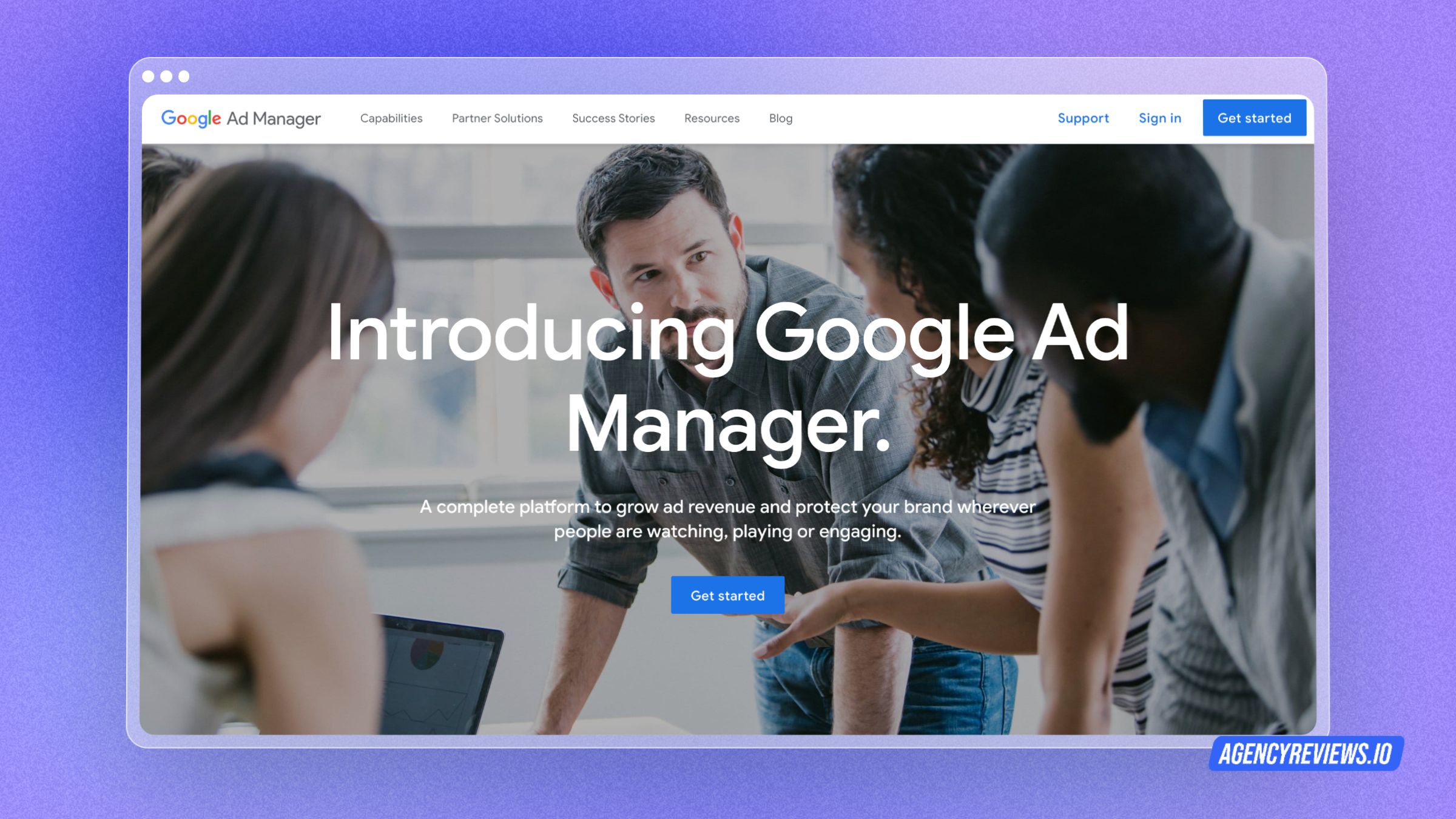
These tools include:
- Ad Exchanges: Platforms where media buyers and publishers buy and sell ad space in real time.
- Demand-Side Platforms (DSPs): Software that allows media buyers to manage their ad campaigns and automate bidding across multiple ad exchanges.
- Supply-Side Platforms (SSPs): Platforms that help publishers manage their ad inventory and sell it to media buyers.
- Audience Targeting Platforms: Tools that help media buyers identify and target specific audiences based on demographics, interests, and online behavior.
 Agency Review Blogs
You must be logged in to post a comment.