
Straight forward: We’ll explain PPC management, the best way.
You’re about to read only useful information — not boring things you already know, but only new information.
Let’s go in-depth on PPC management.
What is PPC Management?
PPC management, also known as pay-per-click (PPC) campaign management, is the process of overseeing and optimizing a company’s PPC ad campaigns.
- PPC ads are displayed when users perform specific search queries related to a company’s products or services.
- Advertisers pay a fee each time their ad is clicked → The goal of PPC management is to maximize the return on investment (ROI) of these campaigns.
How’s that? By driving relevant traffic to a company’s website and generating conversions.
Key Components of PPC Management
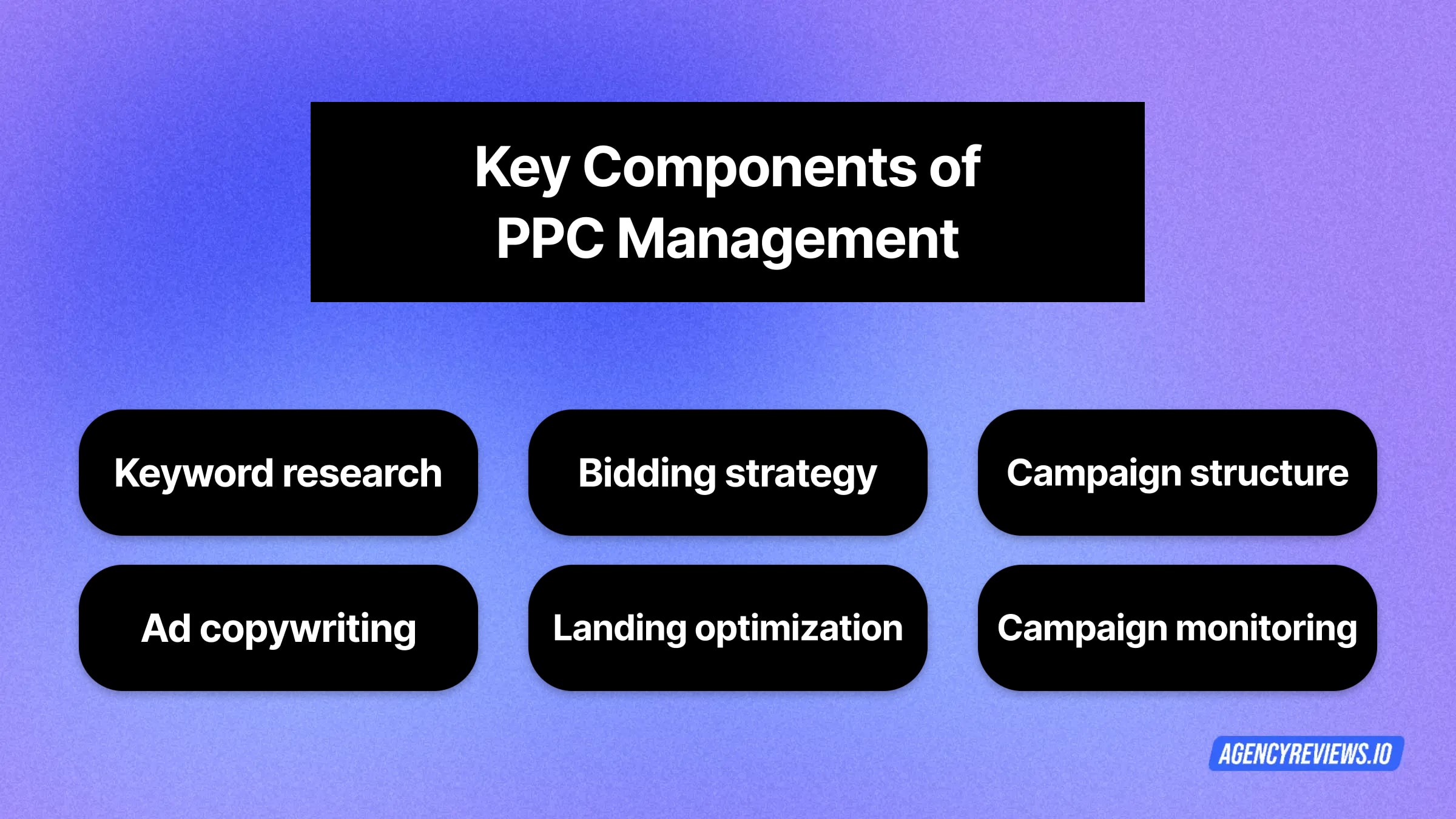
- Keyword research: Identifying the most relevant keywords for a company’s target audience and ensuring that they are targeted effectively in PPC campaigns.
- Bidding strategy: Determining how much to bid on each keyword in order to achieve a desired position in search results and generate clicks.
- Campaign structure: Organizing PPC campaigns into logical groups of keywords and ad copy to improve efficiency and targeting.
- Ad copywriting: Creating compelling and engaging ad copy that encourages users to click on the ad and visit the website.
- Landing page optimization: Designing landing pages that are relevant to the keywords being targeted and optimized for conversions.
- Campaign monitoring and optimization: Tracking campaign performance, identifying areas for improvement, and implementing A/B testing to optimize ad copy, landing pages, and bidding strategies.
Benefits of PPC Management

PPC management can provide numerous benefits for businesses, including:
- Increased website traffic: PPC ads can drive a significant amount of targeted traffic to a company’s website, which can help to improve brand awareness and generate leads.
- Enhanced lead quality: PPC ads can be targeted to specific demographics and interests, which can help to attract higher-quality leads that are more likely to convert into customers.
- Improved ROI: By optimizing PPC campaigns, businesses can ensure that they are spending their advertising budget wisely and generating a positive ROI.
Who Should Use PPC Management?
PPC management is a valuable tool for businesses of all sizes, but it is especially beneficial for businesses that have limited in-house marketing resources or expertise.
Moreover: PPC management can be a good option for businesses that are looking to quickly generate leads or sales.
How to Choose a PPC Management Partner
If you are considering hiring a PPC management agency or specialist, it is important to do your research and choose a partner who has experience in your industry and a proven track record of success.
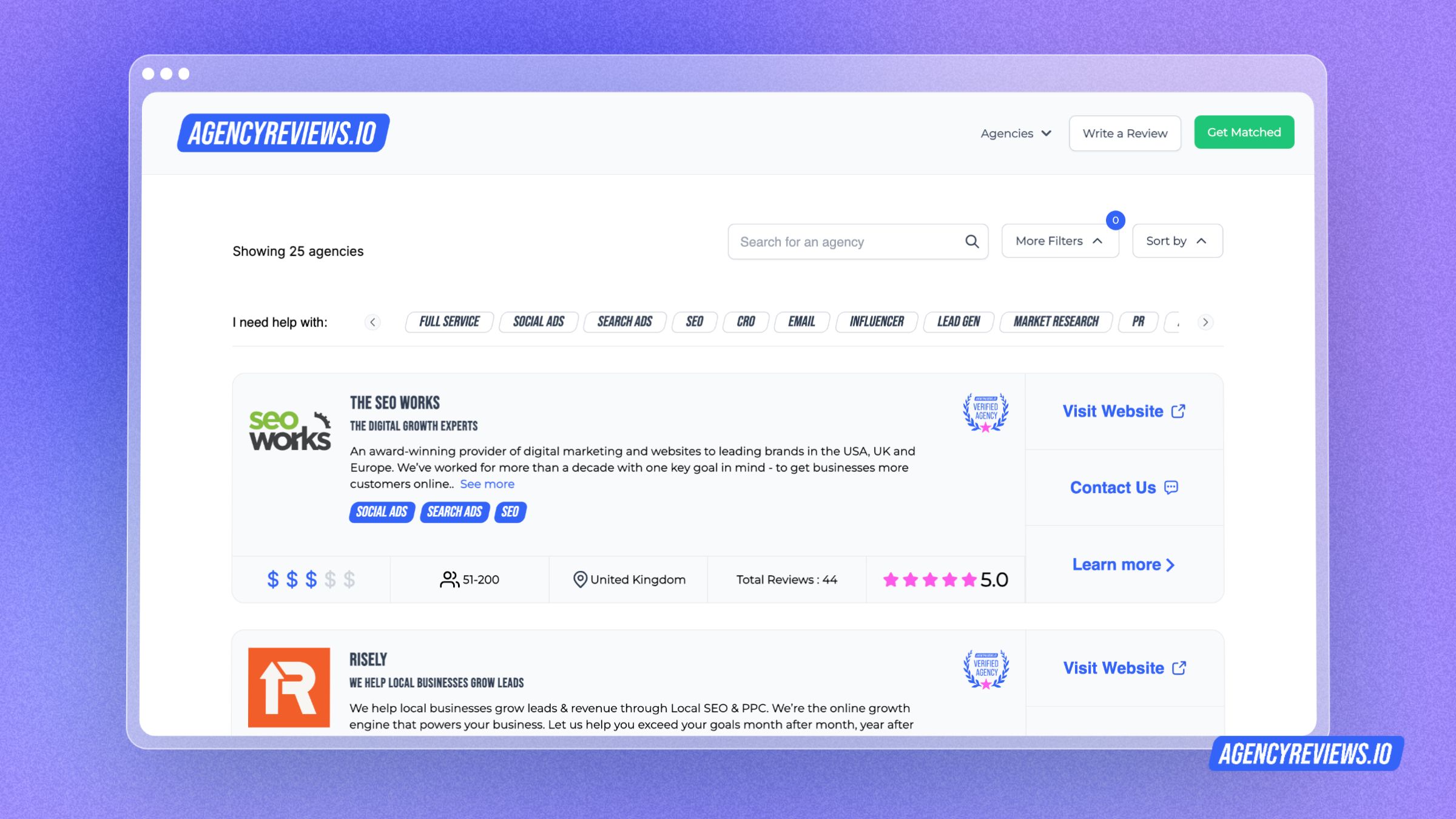
Here are some factors to consider when making your decision:
- Experience: Ensure the PPC management agency or specialist has a team of experienced professionals with a deep understanding of PPC advertising.
- Industry expertise: Choose a partner who has experience working with businesses in your industry, as they will be familiar with your target audience and the competitive landscape.
- Success track record: Examine the agency’s portfolio of clients and case studies to assess their ability to deliver results.
- Communication and transparency: Ensure the agency is open and transparent about their process and pricing.
- Fit with your business: Choose a partner who shares your business goals and values.
Conclusion
PPC management is a powerful tool that can help businesses achieve their online marketing goals.
By implementing effective PPC management strategies, businesses can drive targeted traffic to their websites, generate leads, and improve their ROI.
 Agency Review Blogs
You must be logged in to post a comment.