

You’re here to lear how to write a press release.
We’ll teach you how to:
- Properly write a press release
- Avoid any mistakes
- Deliver the greatest content
Let’s go.
How to write a press release
1. Ditch what you know
It doesn’t sound nice — we know. But hear us out:
If you’re here, then you’ve probably read all the repetitive, boring guides. That’s why you need new ways of creating your press release.
1.1. Unique content
- Exclusive Data: Journalists love scoops, and they’re also data enthusiasts. Why not give them both in a single media release? Exclusive data is like a hidden treasure trove of information that journalists are dying to uncover. And when they uncover it in your press release, they’ll be your biggest fans.
- Offer Data in a Creative Way: Instead of simply dumping data on journalists, present it in a way that is visually appealing and easy to understand. Use charts, graphs, and infographics to make your data come alive.
1.2. Newsjacking
- Identify Trending Topics: Keep an eye on social media and news outlets to identify trending topics in your industry.
- Find a Natural Connection: Once you’ve identified a trending topic, find a way to connect it naturally to your brand or product. Don’t force a connection that is not there.
- Create a Compelling Story: Craft a press release that is informative, newsworthy, and relevant to the trending topic.
A great tool for finding journalists and their recent articles is Muck Rack:
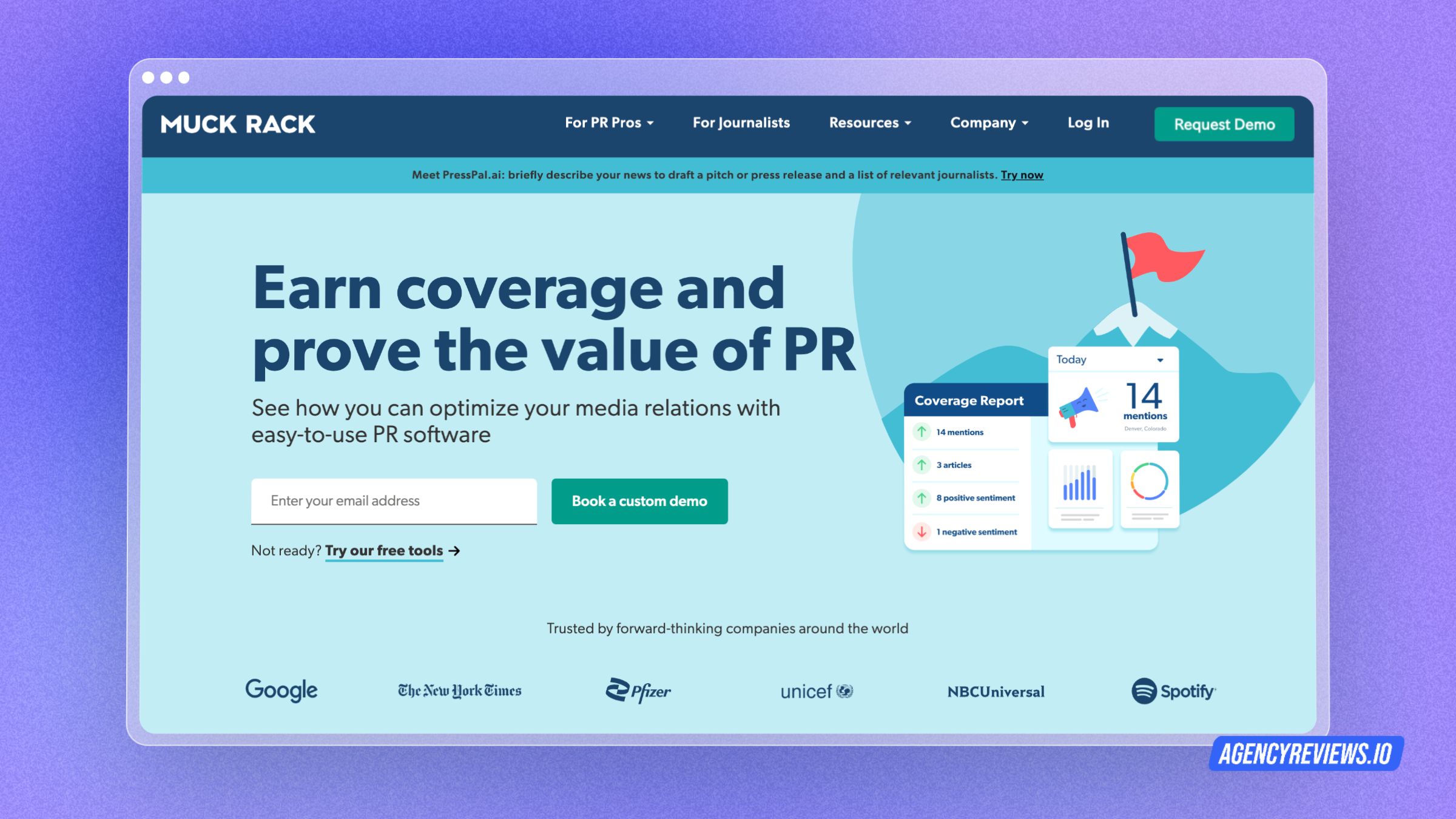
It’s a platform designed specifically for media professionals, including journalists.
1.3. Be emotional
People like stories that make them feel something.
If you can make people feel something about your brand, they’ll be more likely to buy from you.
- Stories are a powerful way to connect with people on an emotional level.
- Emotional connection is key to building a loyal customer base.
- Stories can make your brand stand out from the crowd.
2. Write the Headline
Crafting an ideal press release headline is crucial. It should quickly capture a journalist’s attention and convey your message.
Focus on these key principles:
- Choose dynamic verbs.
- Keep it straightforward.
- Cover all essential details.
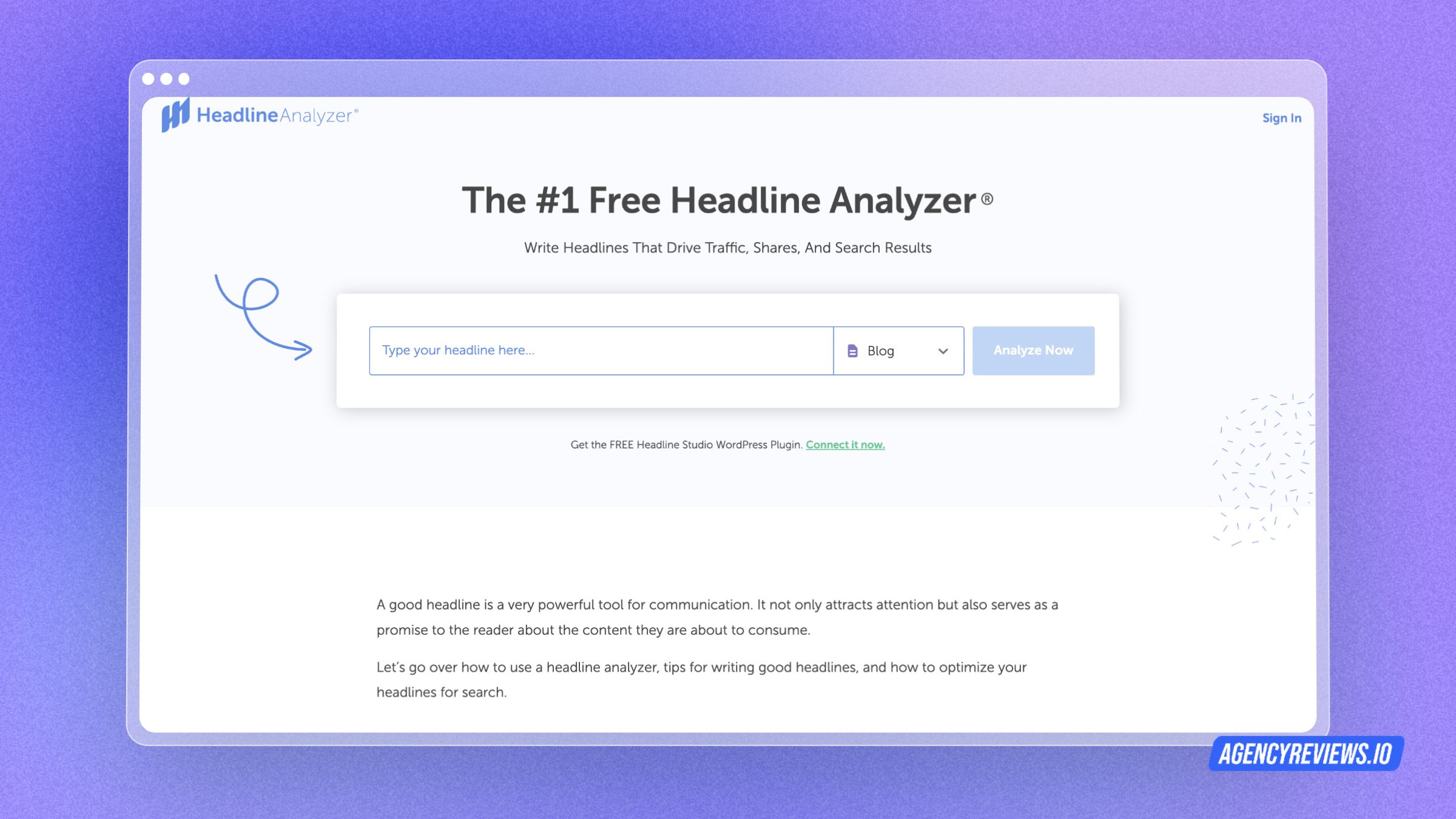
Finding it too hard? Try an online headline analyzer to see how well you’ve built yours:
3. Begin strongly (Lead)
The opening paragraph of your press release, known as the lead, is essential. Typically 35 to 45 words long, it briefly highlights the key points of your news.
The lead should efficiently address the “5 Ws”:
- Who: Identify the individual or organization involved.
- What: Describe the event or news.
- When: Specify the time frame of the occurrence.
- Where: Mention the location.
- Why: Explain its significance to the readers.
4. Continue with the Body
The main part of your press release, the body, aims to present all crucial details about your story and how your brand plays a role.
The focus should be on relevance.
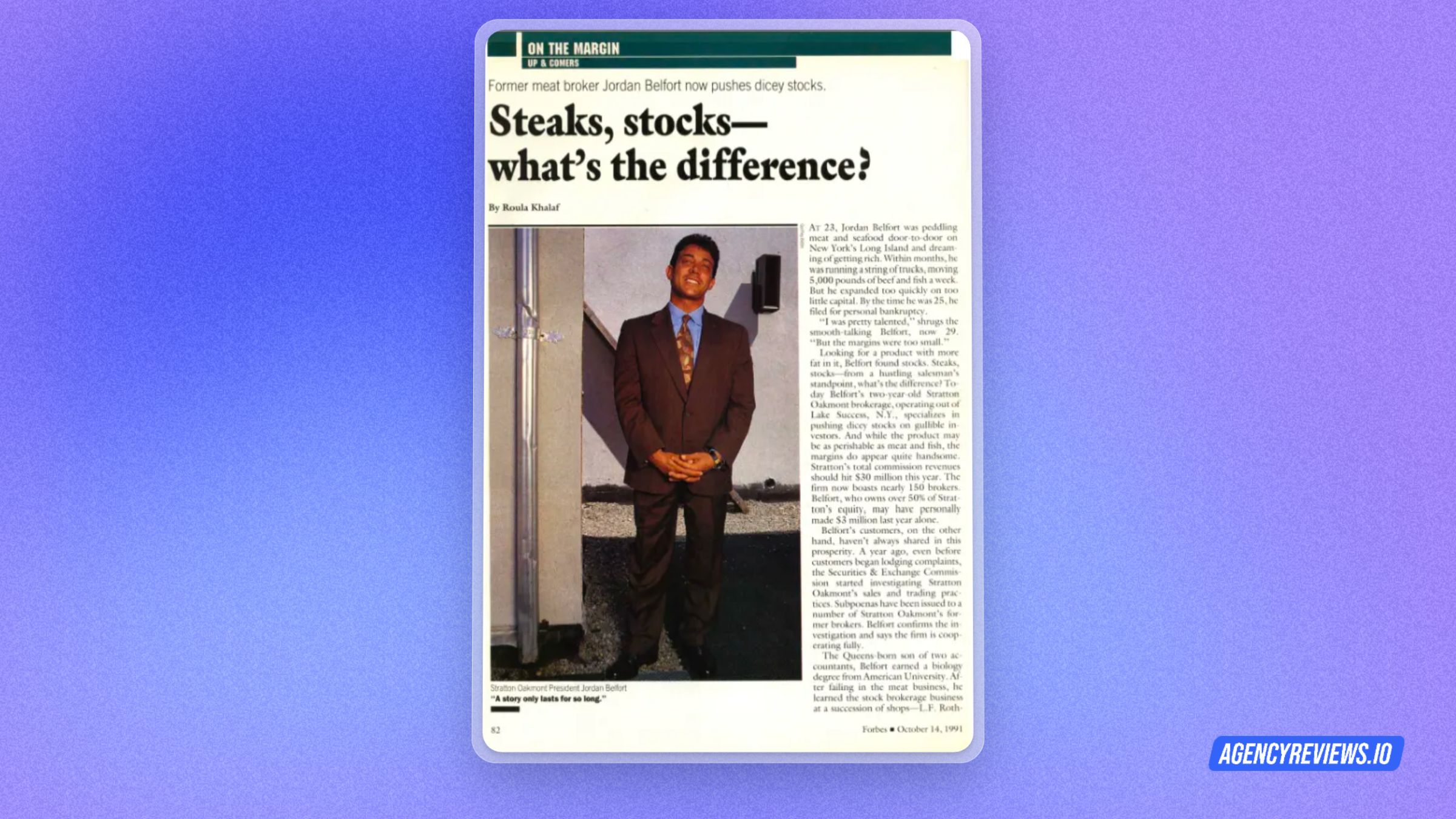
Use the inverted pyramid strategy:
- Start with the most important information.
- Then gradually move to less critical elements.
This ensures the key points are upfront.
5. Relevant Referencing
Adding quotes to your press release can enhance its credibility and add a personal touch.
But remember, the quote must be relevant and align with the article’s context.
6. Contact methods
It’s important to provide media contact details in your press release, so reporters can easily contact you.
Make sure to include your email address and phone number as key points of contact.
4 Types of Press Relases (With Examples)
1. Product Launch Press Release
This type of press release is used to announce the availability of a new product or service.
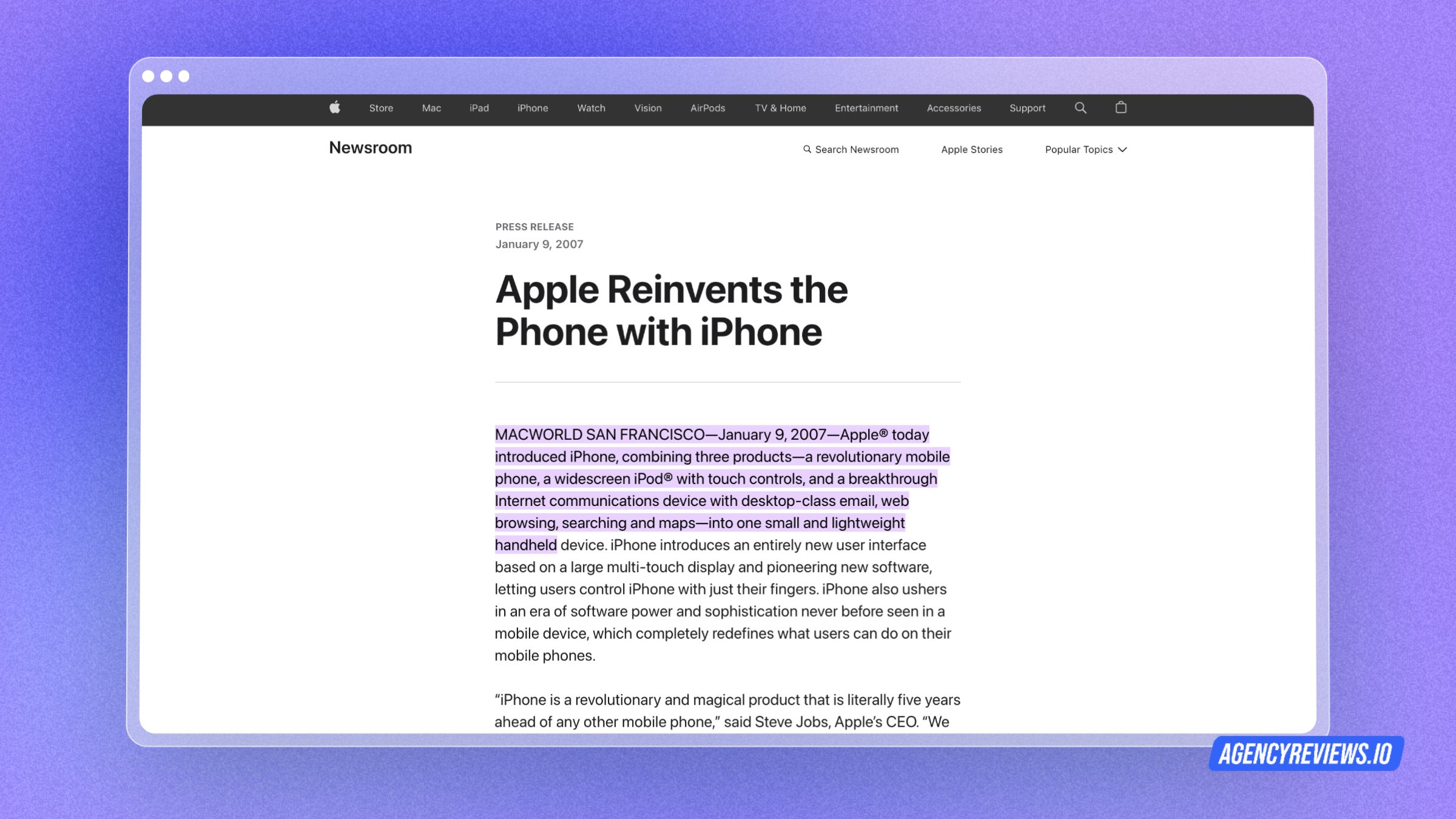
The press release should include information about the:
- Product or service
- Features it porvides
- Benefits
- Pricing
It should also include a quote from a company executive or spokesperson.
Example:
FOR IMMEDIATE RELEASE
New Smartphone Launches with Revolutionary Camera Technology
[City, State] – [Date] – [Company Name] today announced the launch of its new smartphone, [product name]. The [product name] features a groundbreaking camera system that captures stunning photos and videos.
“We are thrilled to introduce the [product name], our most innovative smartphone yet,” said [Company Executive Name]. “The camera on this phone is truly groundbreaking, and we are confident that it will set a new standard for smartphone photography.”
The [product name]’s camera system includes a [number]-megapixel rear camera with [features], and a [number]-megapixel front camera with [features]. The phone also features a [screen size]-inch display, [processor], and [storage].
“We believe that the [product name] is the perfect smartphone for anyone who wants the best of the best,” said [Company Spokesperson Name]. “It is packed with features that will make your life easier and more enjoyable.”
The [product name] is available for purchase now at [website].
2. Event Press Release
This type of press release is used to promote an upcoming event, such as a conference, seminar, or product launch.
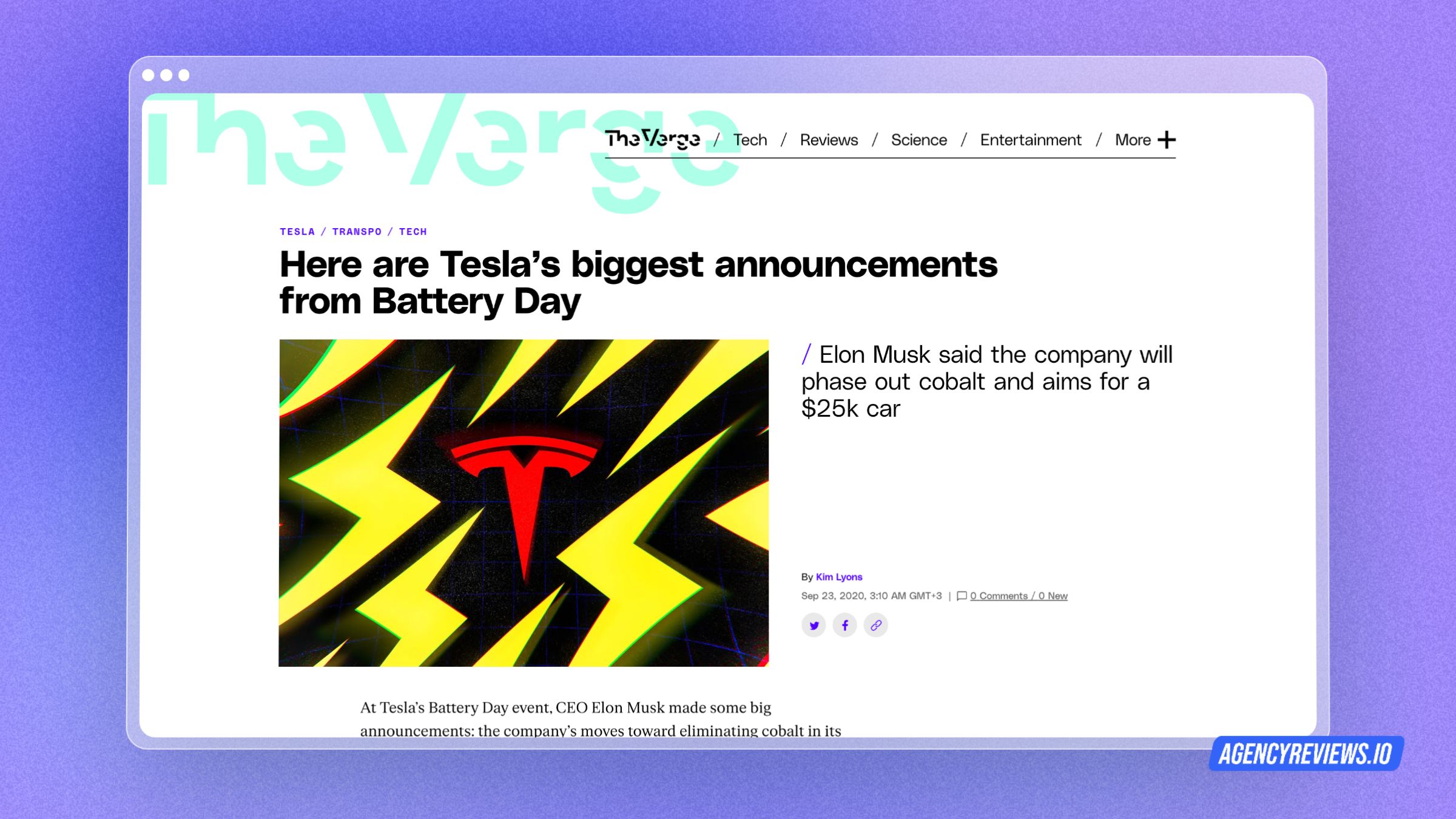
The press release should include information about the event, such as:
- Date & Time
- Location
- Speakers.
It should also include a call to action, such as inviting journalists to attend the event or register online.
Example:
FOR IMMEDIATE RELEASE
[Event Name] to Bring [Industry] Leaders Together
[City, State] – [Date] – [Company Name] today announced the upcoming [Event Name], a conference that will bring together [number] [industry] leaders to discuss [topic].
The [Event Name] will be held on [date] from [time] to [time] at [location]. The event will feature keynote presentations from [speakers], as well as breakout sessions on a variety of topics.
“We are excited to host the [Event Name], which will provide a unique opportunity for [industry] professionals to network, learn from each other, and explore new ideas,” said [Company Executive Name].
“We believe that the [Event Name] will be a valuable resource for anyone who is interested in [topic].”
Registration for the [Event Name] is open now at [website].
3. Award Press Release
This type of press release is used to announce that a company or individual has received an award.
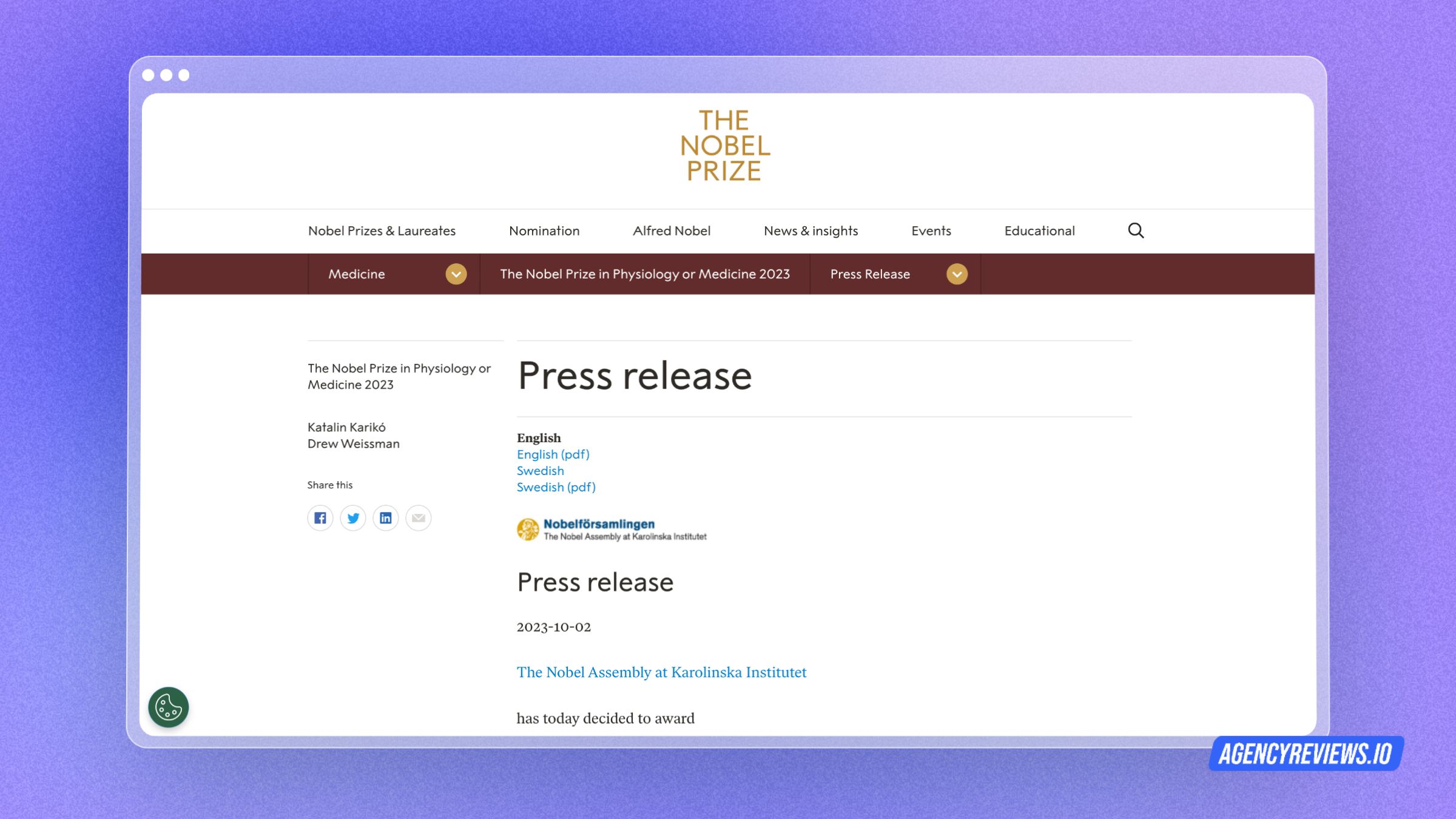
The press release should include information about the award, such as:
- Name
- Significance
- Reasons why the recipient was chosen
- It should also include a quote from the recipient.
Example:
FOR IMMEDIATE RELEASE
[Company Name] Receives [Award Name]
[City, State] – [Date] – [Company Name] today announced that it has received the [Award Name]. The award is given to companies that have made significant contributions to [industry].
“We are honored to receive the [Award Name],” said [Company Executive Name]. “This award is a testament to the hard work and dedication of our employees.”
The [Award Name] is one of the most prestigious awards in the [industry]. Past recipients include [other companies].
“We are proud to be included in such a distinguished group of companies,” said [Company Spokesperson Name]. “This award is a reminder of our commitment to excellence.”
4. Press Release for New Hire
This type of press release is used to announce the hiring of a new employee, particularly if the hire is for a high-level position.
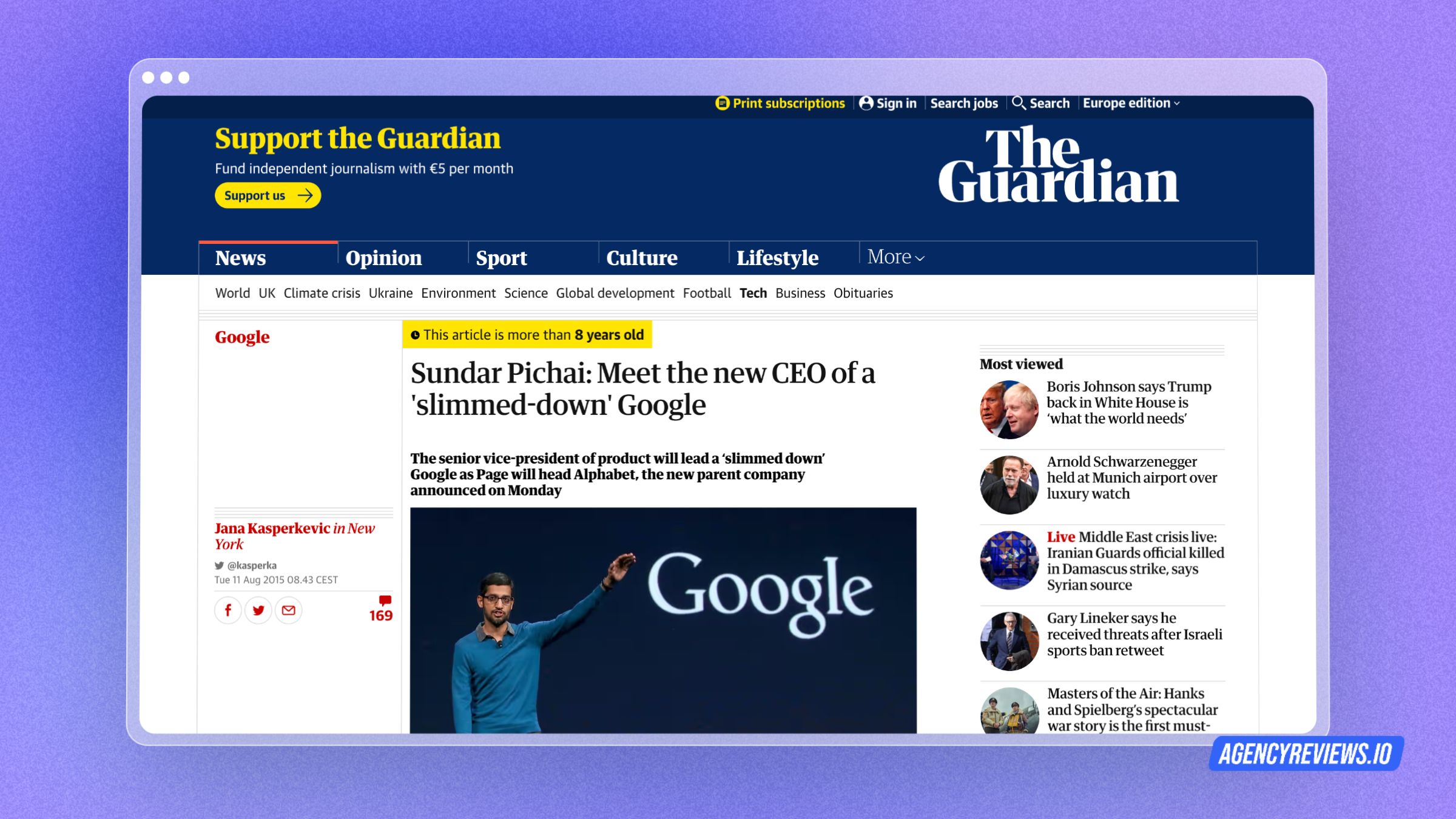
The press release should include information about the new employee, such as their:
- Name
- Title
- Experience
- It should also include a quote from the new hire.
Example:
FOR IMMEDIATE RELEASE
[Company Name] Welcomes [New Hire Name]
[City, State] – [Date] – [Company Name] today announced that it has hired [New Hire Name] as [title].
[New Hire Name] brings more than [number] years of experience to [Company Name]. They previously worked at [previous company] where they held the position of [previous title].
“We are thrilled to have [New Hire Name] join our team,”
Distributing your press release
Connecting with the right journalist is the main issue why great press releases don’t make it big, or make it in the first place.
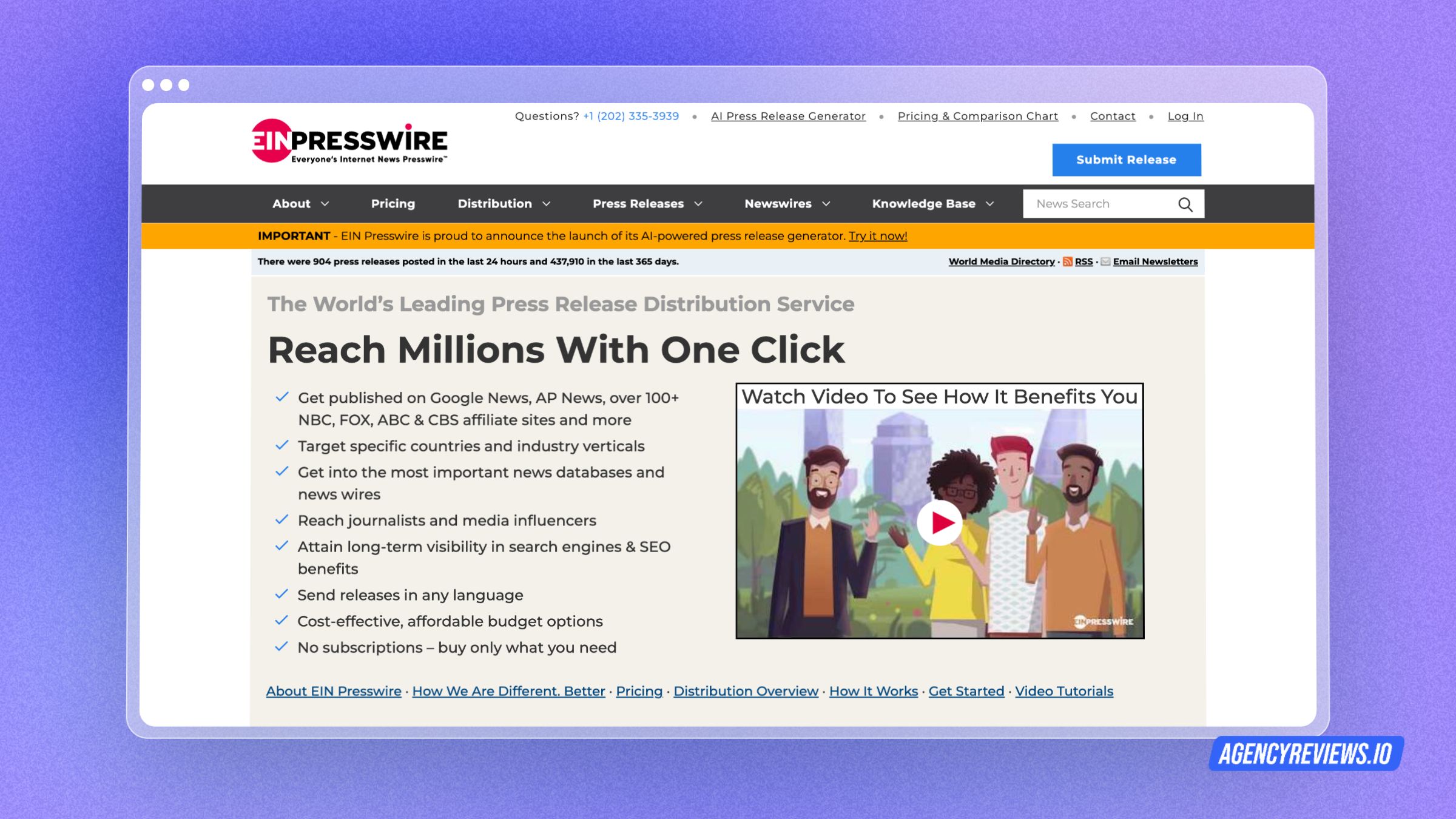
- Traditional methods, like using syndication services such as EIN Newswire, often result in your news getting buried among thousands of others.
- Despite spending $100-$400 per release, the lack of responses is a common disappointment.
Switching to a more tailored approach can be transformative. This method involves directly targeting specific journalists, allowing you to tailor your message for greater impact.
- It’s a chance to foster relationships with media professionals, enhancing visibility by standing out from the mass syndication crowd.
- This direct approach also opens up avenues for immediate feedback and more effective follow-ups, potentially leading to better media coverage.
Let’s check it out.
A. How to distribute it
- Target Audience Identification: Know who you want to reach. Is it local media, industry-specific publications, or a wider audience?
- Create a Media List: Compile a list of media contacts, including journalists, bloggers, and influencers in your niche.
- Press Release Writing: Make sure your press release is newsworthy, concise, and follows the standard format.
- Personalize Your Pitch: When reaching out to contacts, personalize your emails. Mention why your news is relevant to them.
- Use Distribution Services: Consider using a press release distribution service, which can help you reach a wider audience.
- Leverage Social Media: Share your press release on your company’s social media channels.
- Follow Up: After sending the press release, follow up with key contacts to ensure they received it and to answer any questions.
- Monitor and Analyze: Track where your press release gets picked up and analyze the results to improve future releases.
B. How NOT to distribute it
You know what to do. Now, let’s look at what to avoid.
Avoid these common mistakes:
- Mass Emailing: Avoid sending your press release to a generic list of contacts. It’s ineffective and often seen as spam.
- Overlooking the Subject Line: Don’t use vague or generic subject lines in emails. They should be catchy and relevant.
- Ignoring Formatting: Avoid sending press releases without proper formatting. Stick to the standard press release format.
- Neglecting Personalization: Don’t send the same message to every journalist. Tailor your pitch to each recipient.
- Forgetting to Follow Up: Avoid sending your press release and then not following up. Journalists are busy; a polite reminder can help.
- Using Jargon: Avoid industry jargon or technical terms that are not widely understood.
- Overhyping: Don’t oversell or exaggerate your story. Stick to the facts and be straightforward.
- Ignoring Timing: Don’t send press releases at inopportune times, like late night or weekends.
- Failing to Proofread: Never distribute a press release without thoroughly proofreading it for errors.
- Not Being Available for Queries: After sending your release, be available to answer any follow-up questions from journalists.
- Skipping Multimedia Elements: Avoid sending plain text only. Include images or videos if relevant.
- Lack of a Clear Call to Action: Don’t leave out a clear call to action or contact information for further inquiries.
Examples of Successful Press Releases
It’s easier to get inspired rather than starting from scratch or using a template.
Below are 6 successful press releases.
1. Product launch
- Google Introduces Pixel 7a: A More Affordable Flagship Phone with Stunning Camera and Fast Performance https://www.ign.com/articles/google-officially-announces-the-pixel-7a-phone
2. New feature announcement
- Spotify Introduces “Behind the Song” Feature, Giving Listeners Exclusive Insights from Artists https://open.spotify.com/show/3LQ7lgLyWjqXhdXaROSqAO
3. Company milestone
- Meta Reaches 1.5 Billion Monthly Active Users, Demonstrating the Power of the Metaverse https://www.theguardian.com/technology/2023/may/22/facebook-fined-mishandling-user-information-ireland-eu-meta
4. Crisis communicatioh
- Twitter Acknowledges and Apologizes for Recent Outages, Assures Users of Increased Reliability https://abcnews.go.com/Business/twitter-suffers-major-outage-prompting-emergency-fix-apology/story?id=97003215
5. Social responsibility initiative
- Airbnb Doubles its Commitment to Sustainable Tourism, Investing $100 Million in Environmental Initiatives https://www.airbnb.com/resources/hosting-homes/a/a-hosts-guide-to-supporting-sustainable-tourism-346
6. Award winning
- Microsoft Wins “Company of the Year” at the Global Business Excellence Awards, Highlighting Its Innovation and Impact https://blogs.windows.com/windowsdeveloper/2023/05/23/announcing-the-microsoft-store-app-awards-2023-winners/
Free, General Template: Press Release
You can use this free example we’ve made for a press release — no email required, no payment, or anything else that’s annoying.
FOR IMMEDIATE RELEASE
[Your Company Name] Announces [News Headline]
[City, State] – [Date] – [Company Name] today announced [key news]. This announcement is significant because [reason].
[Lead Paragraph summarizing key news, including who, what, when, where, why]
[Additional paragraphs elaborating on the news, including facts, figures, quotes, and supporting information]
Quote from [Expert Name], [Position] at [Company Name]
“[Quote that summarizes the news and highlights the positive impact].”
About [Your Company Name]
[Company Name] is a leading provider of [products or services]. We are committed to [mission statement].
Contact:
[Your Name] [Your Title] [Your Email Address]
Exclusive Data or Research: Give Journalists the Inside Track
Journalists love exclusive scoops, and they’re also data junkies. So, why not give them both in a single media release? Exclusive data is like a hidden treasure trove of information that journalists are dying to uncover. And when they uncover it in your press release, they’ll be your biggest fans.
Newsjacking: Ride the Wave of Trending Topics
Not every day brings a breaking news story that you can ride to PR glory. But that doesn’t mean you can’t get your news noticed. Enter the art of newsjacking, where you seamlessly inject your brand into a current news story, making it even more relevant and newsworthy. Imagine tying your press release to a trending topic on Twitter or a viral social media phenomenon. That’s newsjacking done right!
Align with Trends: Stay Ahead of the Curve
Journalists are always looking for fresh and interesting stories. And what better way to grab their attention than to align your pitches with the latest trends in your industry? By staying ahead of the curve, you’ll be able to provide journalists with the kind of insights they crave, making your pitches more irresistible than ever.
So, don’t just rephrase your press releases. Make them unique, engaging, and trend-setting. That’s how you’ll catch the attention of journalists and get your news heard!
 Agency Review Blogs
You must be logged in to post a comment.