
Inbound marketing is a strategic approach to attracting potential customers by creating valuable content that matches their interest.
Though, you’re probably here because you:
- Heard of an inbound agency
- And you’re not sure what this sort of agency does
- So you want to find out
We’ll clarify all of this.
What is an Inbound Agency?
An inbound agency helps businesses attract, keep, and make their customers happy, without interrupting them with ads.
It’s essentially about earning their attention rather than interrupting them with traditional advertising methods.
So then… Inbound Marketing Agency?
An Inbound Agency specializes in a specific marketing methodology called inbound marketing.
This approach focuses on attracting potential customers (leads) to your business.
How? By creating valuable content and experiences that align with their needs and interests.
Marketing x Inbound
In an inbound marketing strategy, marketing plays a central and multifaceted role, focusing on attracting, engaging, and converting potential customers into loyal brand advocates.
Here’s a breakdown of their key responsibilities.
1. Target audience
- Content creation: This involves developing valuable and informative content (e.g., blog posts, infographics, videos) aligned with your target audience’s needs and interests.
- SEO optimization: Optimizing website content and online presence for search engines to ensure your target audience finds you organically.
- Social media marketing: Engaging with your audience on relevant platforms, building communities, and sharing valuable content.
- Paid advertising (optional): Using targeted ads to reach specific audience segments and drive traffic to your website or landing pages.
2. Great leads
- Email marketing: Building email lists and sending targeted email campaigns that nurture leads and move them through the sales funnel.
- Landing page creation: Designing high-converting landing pages to capture leads through informative offers and calls to action.
- Website optimization: Ensuring a user-friendly website experience that guides visitors towards engagement and conversion.
- Lead nurturing campaigns: Developing automated email sequences and personalized content to educate and qualify leads.
3. Convert leads into customers
- Call to action (CTA) development: Crafting clear and compelling CTAs that encourage leads to take the next step in their buying journey.
- Lead scoring and qualification: Identifying and prioritizing leads based on their engagement and potential value.
- Marketing automation: Using tools to automate repetitive tasks and personalize the customer journey.
- Analysis and reporting: Tracking campaign performance, analyzing data, and making data-driven decisions to optimize results.
Marketing helps drive qualified leads, foster engagement, and ultimately achieve your business goals through an inbound strategy.
Pros & Cons: Inbound Marketing Agency
In this section, we’re trying to help you understand whether you need to partner with an inbound marketing agency or not.
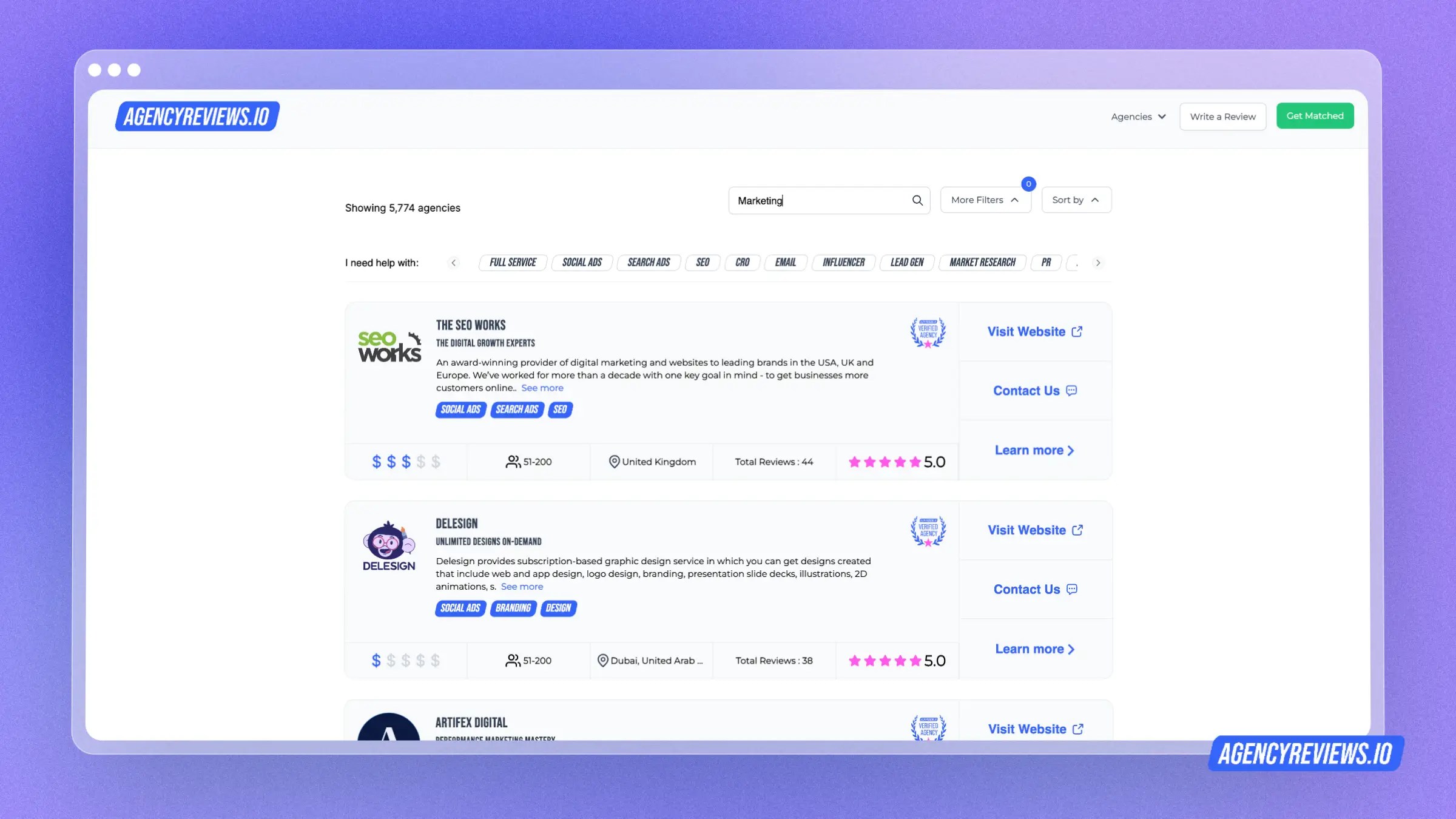
Let’s see the reasons.
Pros:
- Expertise and experience: Agencies have dedicated teams specializing in various inbound marketing tactics like SEO, content creation, and social media. They can bring their expertise and proven strategies to your table, saving you time and effort in learning the ropes.
- Scalability and efficiency: Agencies can handle complex campaigns and manage multiple tasks simultaneously, freeing up your team to focus on other areas.
- Technology and tools: Agencies often have access to the latest marketing tools and technologies, which can give you a competitive edge.
- Fresh perspective and objectivity: They can provide an unbiased outside perspective and identify areas for improvement in your current marketing efforts.
- Measurable results: Reputable agencies will track and report on key metrics, demonstrating the return on investment (ROI) of your marketing campaigns.
Cons:
- Cost: Hiring an agency can be expensive, especially for small businesses. Be sure to get clear quotes and understand the scope of services included before making a decision.
- Loss of control: You may not have as much control over the creative direction and day-to-day execution of your marketing campaigns.
- Finding the right fit: Finding an agency that aligns with your budget, industry, and target audience is crucial. Don’t settle for the first one you come across.
Ultimately, the decision of whether or not to partner with an inbound marketing agency is a personal one.
Weigh the pros and cons carefully, consider your specific needs and resources, and do your research to find an agency that is a good fit for your business.
Conclusion
Inbound marketing agencies can be helpful, but you first need to understand if you actually need one or not.
Thank you for reading this,
Team AgencyReviews
 Agency Review Blogs
You must be logged in to post a comment.