

So you’re looking for:
- An eCommerce consultant;
- Preferably an experienced firm/agency;
- But you don’t know how to choose the actual best one.
In this guide, we’re teaching you just that:
An eCommerce consultant is a professional who helps businesses optimize their online stores and increase sales.
By the end of reading this article, you’ll know what makes as great consulting firm for eCommerce businesses — and exactly what to look for!
Let’s waste no time and jump into it.
How to choose the best eCommerce consultant
eCommerce consultant fees vary, typically ranging from $75 to $250 per hour, depending on the consultant’s experience and the project’s complexity.
Established firms may charge higher rates, and some consultants offer package deals or monthly retainers for ongoing services.
No time to waste. Let’s go!
1. What do you need?
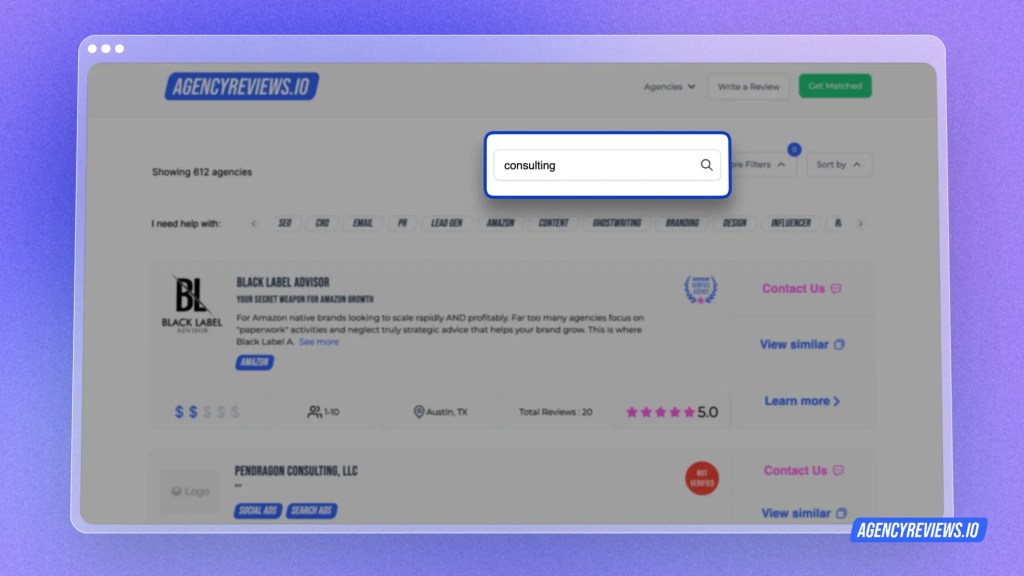
- Set a goal — define what sort of agency you’re looking for.
- Are you looking to improve your website’s design and user experience, increase sales, or optimize your marketing strategies?
- Having a clear understanding of your goals will help you narrow down your search and identify the services that best align with your needs.
2. Got a budget?

- Determine how much you can realistically afford to invest in consulting services.
- This will help you filter your options and focus on agencies that fit your financial constraints.
- Remember: Consulting fees can vary significantly depending on the scope of the project, the consultant’s experience, and their location.
3. Look around for options
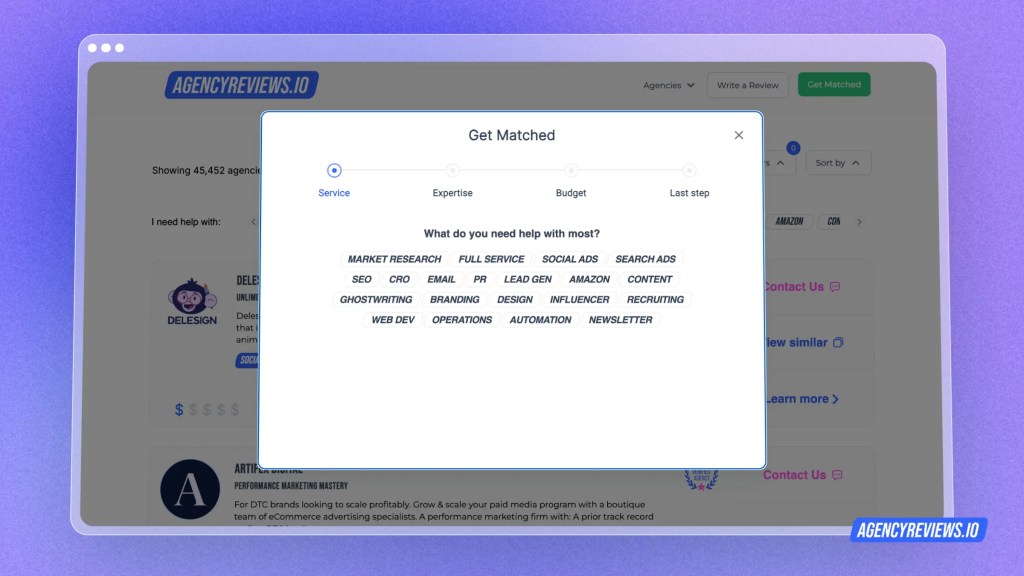
Use platforms like AgencyReviews.io (you’re here already!) to check out your alternatives.
- Do research to identify reputable eCommerce consulting firms that have experience working with businesses in your industry.
- Read online reviews, testimonials, and case studies for insights on their expertise, client satisfaction, and overall approach to their services.
- Consider factors such as the consultant’s experience, methodology, success rates, and understanding of your business, industry, and specific challenges.
4. Interviews
- Narrow down your options and schedule consultations with shortlisted consultants.
- During these interviews, ask about their experience, methodologies, and success rates.
- Test their understanding of your business, industry, and specific challenges.
5. Ask for referrals
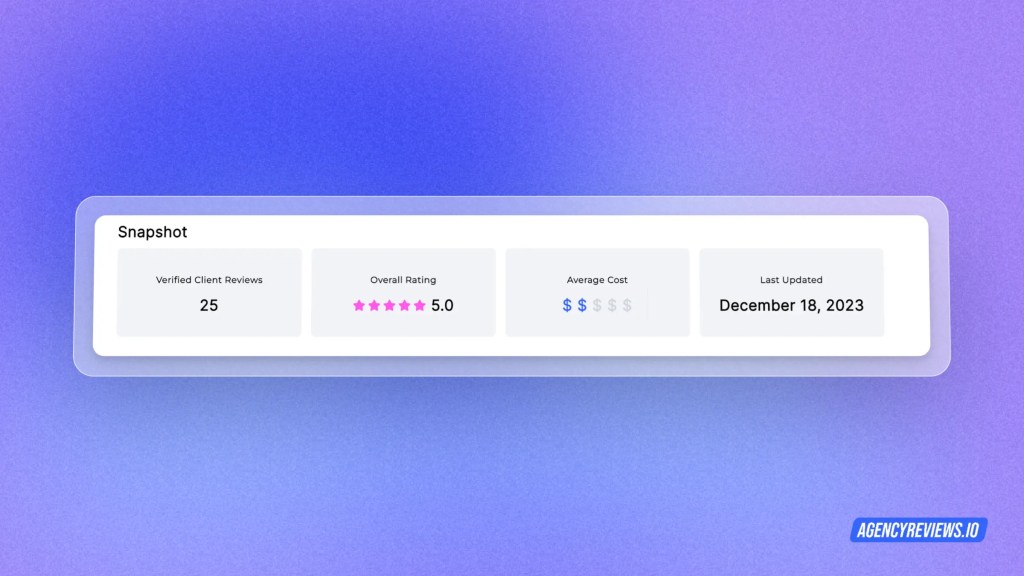
- Ask for references from the consultants you’re considering.
- Contact their previous clients to gain feedback on their services, communication style, and ability to deliver results — real experiences for real feedback!
- Inquire about the consultant’s responsiveness to inquiries, willingness to go the extra mile, and overall professionalism.
6. Do they have certifications?
- Verify the consultant’s qualifications and certifications.
- Ensure they have the necessary expertise and experience to handle your project effectively.
- Look for certifications relevant to eCommerce, marketing, and business consulting.
- Check for any disciplinary actions or negative reviews against the consultant or their firm.
7. Are they really a good fit?
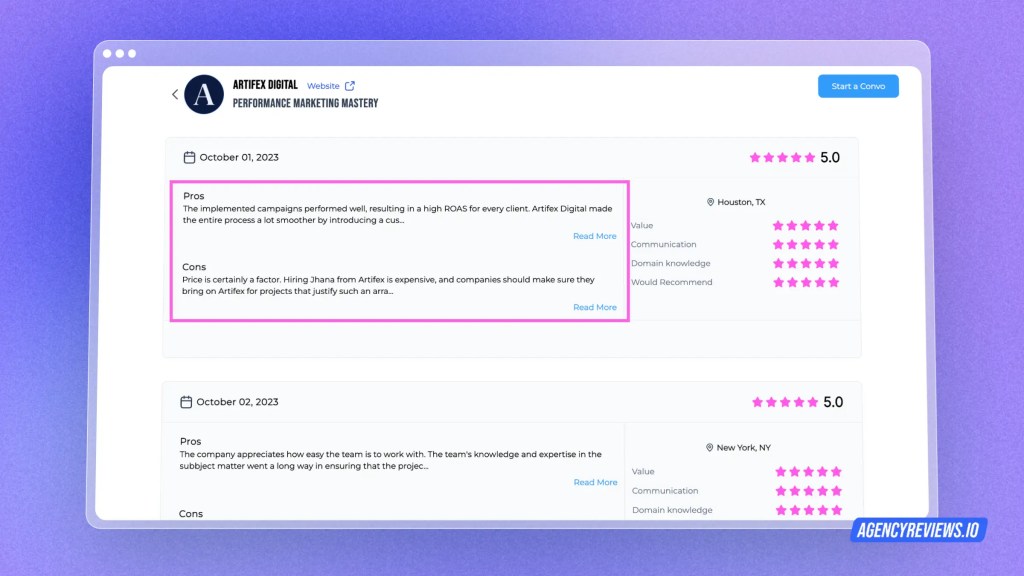
- Evaluate whether the consultant’s work style and communication approach align with your company’s culture.
- Consider factors such as: Their personality, work ethic, and communication preferences.
- Conclude if they are a good fit for your company’s values and work environment.
8. Get a quote

- Request a quote for: scope of work, deliverables, and timelines.
- Compare the estimates and ensure they are transparent and align with your budget.
- Inquire about any additional expenses, such as travel fees or third-party costs.
- Discuss payment terms, including retainer fees, milestone payments, and final invoices.
9. Try to negotiate
- Once you’ve chosen a consultant, negotiate the terms of the agreement, including the scope of work, deliverables, timelines, payment terms, and termination clauses.
- Clearly define the expectations for both parties to avoid any misunderstandings or disputes.
- Agree to sign a non-disclosure agreement (NDA) to protect sensitive company information.
10. Clear communication
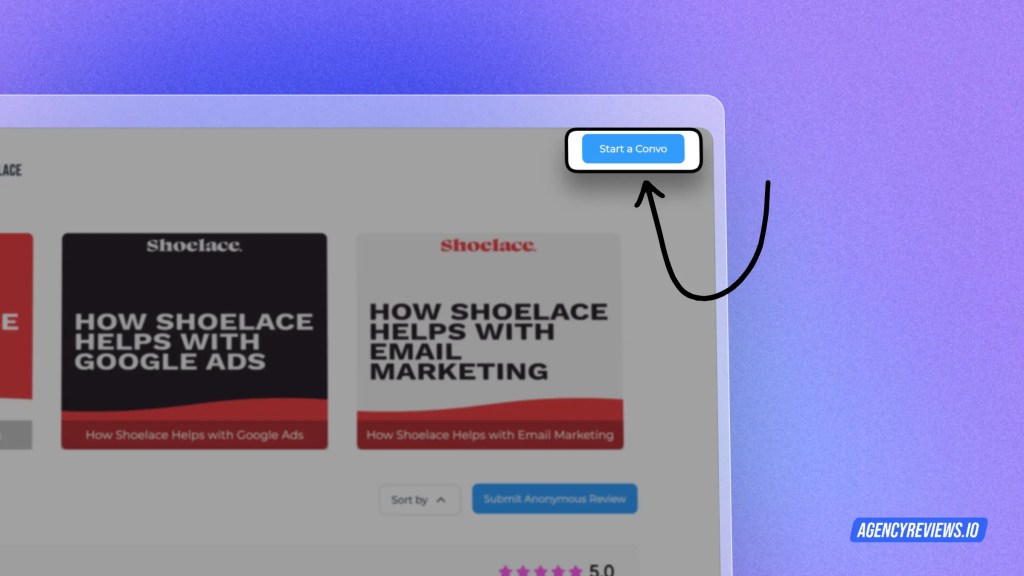
First, get in touch with the agency.
Then, set up communication on apps like Trello, Asana, Basecamp — anything you’re both comfortable with.
- Set up clear communication channels with the consultant to ensure regular updates and progress reports.
- Establish regular check-ins.
- Use project management tools or software to keep track of tasks, deadlines, and milestones.
- Encourage feedback from both parties to ensure alignment and address any concerns promptly.
There you go!
Cost of an eCommerce consulting agency
Generally, prices can range from $75 to $250 per hour for individual consultants. For more established consulting firms, rates might be higher.
The cost of an eCommerce consultant can vary widely based on factors like experience, the complexity of your needs, and the scope of the project.
Factors affecting cost
Some consultants also offer package deals or monthly retainers, which can be more cost-effective for ongoing projects.
It’s important to get detailed quotes and understand what services are included in the price.
Examples of common fees
- Website Review and Audit: $500-$1,500
- Strategic Planning and Roadmap: $5,000-$10,000
- Website Redesign: $20,000-$50,000
- Marketing Campaign Management: $10,000-$25,000
- Ongoing Performance Optimization: $500-$1,000 per month
Remember, these are just some estimations based on existing fees.
They always vary from one service provider to another.
Don’t hesitate to: Negotiate the fees to ensure they align with your budget and expectations.
Shortlist: Finding the right eCommerce consultant
- Define Your Goals: Specify what you need from an eCommerce consultant.
- Set a Budget: Determine your financial limits for consulting services.
- Research Options: Look for reputable eCommerce consulting firms with relevant industry experience.
- Conduct Interviews: Schedule consultations with potential consultants to assess their experience and methods.
- Request Referrals: Ask for and contact references from the consultants’ previous clients.
- Check Qualifications: Verify the consultants’ certifications and professional background.
- Evaluate Compatibility: Ensure the consultant’s work style and communication align with your company culture.
- Get a Detailed Quote: Request clear quotes covering the scope of work, deliverables, timelines, and any additional costs.
- Negotiate Terms: Discuss and agree on the project details, payment terms, and any confidentiality agreements.
- Set Up Communication: Establish clear communication channels and regular check-ins using preferred project management tools.
If you’re in a rush and you need a shortlist for the steps to take to finding the right eCommerce consultant, make sure to go through these 10 points.
For a detailed breakdown, check the full guide.
To sum up…
Finding the right eCommerce consultant involves a thoughtful approach.
We really hope this article brought you value!
Thank you for reading this,
Agency Reviews.
 Agency Review Blogs
You must be logged in to post a comment.